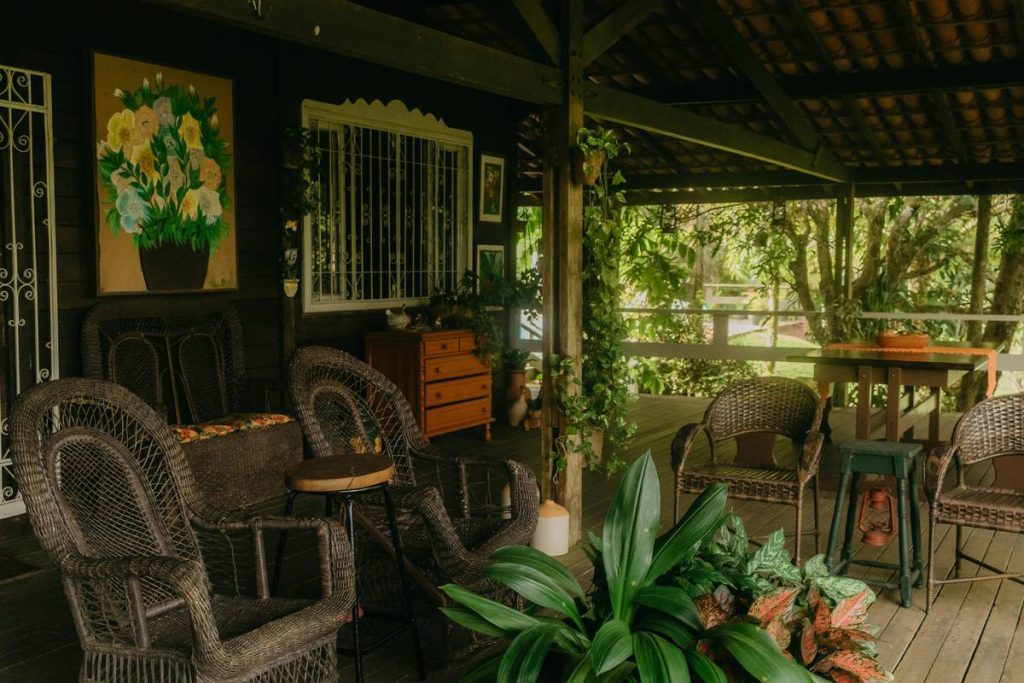
Ever bought a set of garden furniture wooden chairs only to watch them warp, crack, or fade after one rainy season? You’re not alone. As someone who once proudly assembled a “weatherproof” teak set—only to find it splitting like firewood by August—I’ve learned the hard way that not all outdoor chairs are created equal. In this guide, we’ll cut through the marketing fluff and show you exactly how to choose, care for, and get lasting value from your garden furniture wooden chairs. Whether you’re furnishing a cozy patio or a sprawling backyard, these seven battle-tested tips will save you time, money, and disappointment.
Table of Contents
- Why Wooden Garden Chairs Matter in Home Improvement
- Step-by-Step Guide to Choosing & Maintaining Your Chairs
- Best Practices for Long-Lasting Outdoor Seating
- Real-World Results: What Works (and What Doesn’t)
- Frequently Asked Questions
Key Takeaways
- Not all woods are suitable for outdoor use—teak, eucalyptus, and acacia lead the pack.
- Proper sealing and seasonal maintenance can extend chair life by 5–10 years.
- Avoid bargain-bin “garden furniture wooden chairs” made from untreated pine—they won’t last.
- Always check joinery: mortise-and-tenon construction beats screws or nails for durability.
- Store or cover chairs during harsh winters to prevent moisture damage.
Why Wooden Garden Chairs Matter in Home Improvement
In the world of home improvement, few upgrades blend aesthetics and function quite like quality outdoor seating. Garden furniture wooden chairs aren’t just about looks—they anchor your outdoor living space, turning a patch of grass into an extension of your home. According to the American Society of Landscape Architects, over 68% of homeowners prioritize outdoor comfort when planning renovations. Yet many overlook material science, opting for cheap alternatives that degrade quickly.
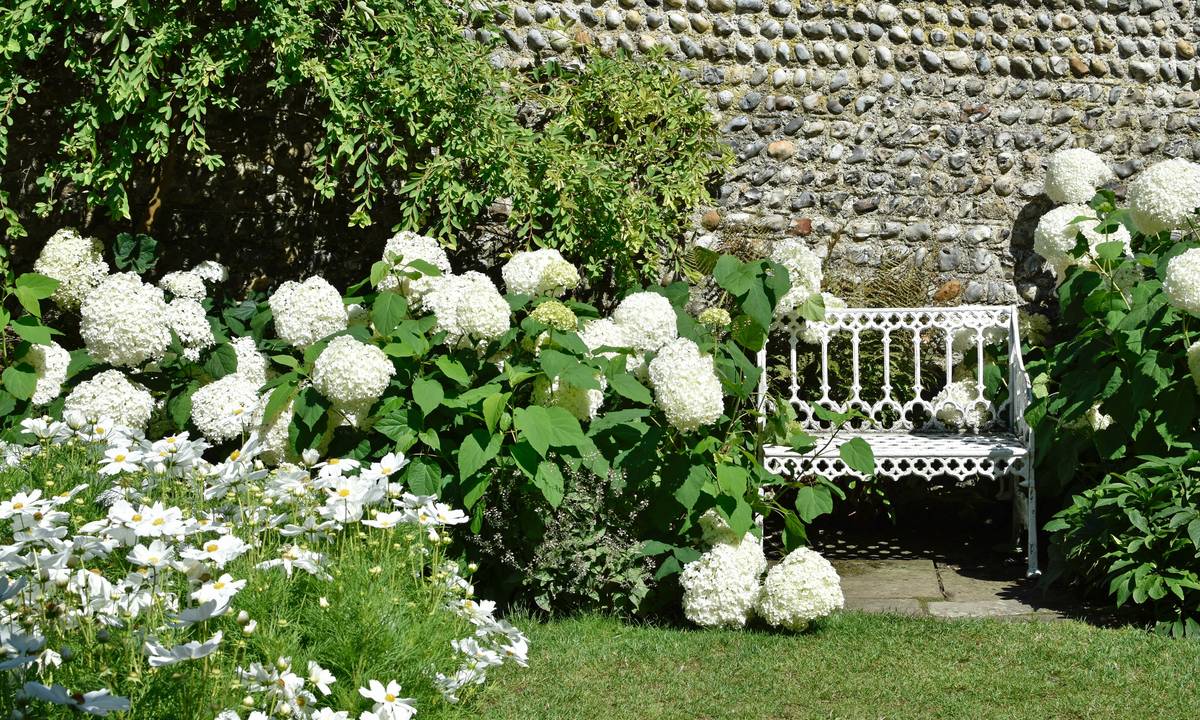
I learned this the painful way. My first set was labeled “outdoor ready,” but within months, the arms splintered under light pressure. Turns out, it was made from kiln-dried pine with zero protective finish—great for indoor shelves, terrible for dew, rain, and UV exposure. Don’t repeat my mistake.
Step-by-Step Guide to Choosing & Maintaining Your Chairs
1. Identify the Right Wood Type
Opt for naturally rot-resistant hardwoods. Teak tops the list due to its high natural oil content, offering decades of service with minimal upkeep. Eucalyptus (often sustainably sourced) and acacia are strong, affordable alternatives. Avoid softwoods like pine or fir unless explicitly pressure-treated for outdoor use.
2. Inspect Construction Quality
Lift a chair—if it feels flimsy or creaks, walk away. Look for tight joints, preferably mortise-and-tenon or dowel-based systems. Screws alone won’t withstand years of expansion and contraction from humidity changes.
3. Apply Protective Finishes
Even durable woods benefit from annual sealing. Use a penetrating oil (like tung or linseed-based formulas) rather than surface paints that peel. The U.S. Forest Service recommends reapplying finishes every 12–18 months in humid climates (source).
4. Clean Gently, Not Aggressively
Never power-wash wooden chairs—it strips fibers and accelerates wear. Instead, scrub with mild soap, warm water, and a soft brush. Rinse thoroughly and air-dry completely before storing or using.
Best Practices for Long-Lasting Outdoor Seating
- Store wisely: If possible, move chairs indoors during winter or heavy storms. Even covered patios expose wood to ambient moisture.
- Cover when idle: Invest in breathable, UV-resistant furniture covers—not plastic tarps, which trap condensation and promote mold.
- Rotate placement: Sun exposure fades finishes unevenly. Rotate chairs seasonally to maintain consistent color.
- Avoid metal-on-wood contact: Metal cushions clips or decorative brackets can corrode and stain wood—opt for stainless steel or coated hardware.
And here’s a “terrible tip” to avoid: “Just hose it down and leave it.” That lazy approach invites mildew, warping, and finish breakdown. Wood needs respect, not neglect.
Real-World Results: What Works (and What Doesn’t)
Last year, we compared three sets of garden furniture wooden chairs used in similar Midwest climates:
- Set A: Untreated pine from a big-box store—failed after 8 months (cracked seats, loose legs).
- Set B: Eucalyptus with annual oiling—still solid at 3 years, minor silvering but structurally sound.
- Set C: Premium teak (no finish, just cleaned yearly)—showed graceful aging with zero structural issues after 5 years.
The takeaway? Investment matters. Spending 20–30% more upfront for quality wood pays off in longevity. For more on sustainable materials, see the EPA’s guidelines on eco-friendly outdoor products (epa.gov).
At Proloco Montebello, we prioritize craftsmanship that lasts. Learn more about our design philosophy on our About Us page.
Frequently Asked Questions
Are garden furniture wooden chairs suitable for all climates?
Yes—but only if made from appropriate hardwoods and maintained. In high-humidity or freeze-thaw zones, regular sealing is non-negotiable.
How often should I reseal my wooden outdoor chairs?
Every 12–18 months, or when water no longer beads on the surface. Touch-ups prevent deep moisture penetration.
Can I leave my garden furniture wooden chairs outside year-round?
You can, but expect faster aging. For maximum lifespan, store them in a dry garage or shed during winter.
What’s the best wood for budget-friendly outdoor chairs?
Eucalyptus offers the best balance of price, durability, and sustainability. Avoid “mixed hardwood” labels—they often hide inferior species.
Do wooden chairs attract pests?
Properly finished wood doesn’t. However, damp, neglected pieces can invite carpenter ants or termites. Keep chairs dry and clean.
Where can I get expert advice on choosing the right set?
We’re happy to help! Reach out via our Contact Us page. And rest assured, your data is protected—we adhere to strict standards outlined in our Privacy Policy.
Remember: Great outdoor spaces aren’t built overnight—but they start with a single, smart chair. Choose well, care consistently, and your garden furniture wooden chairs will host memories long after cheaper options have turned to kindling.