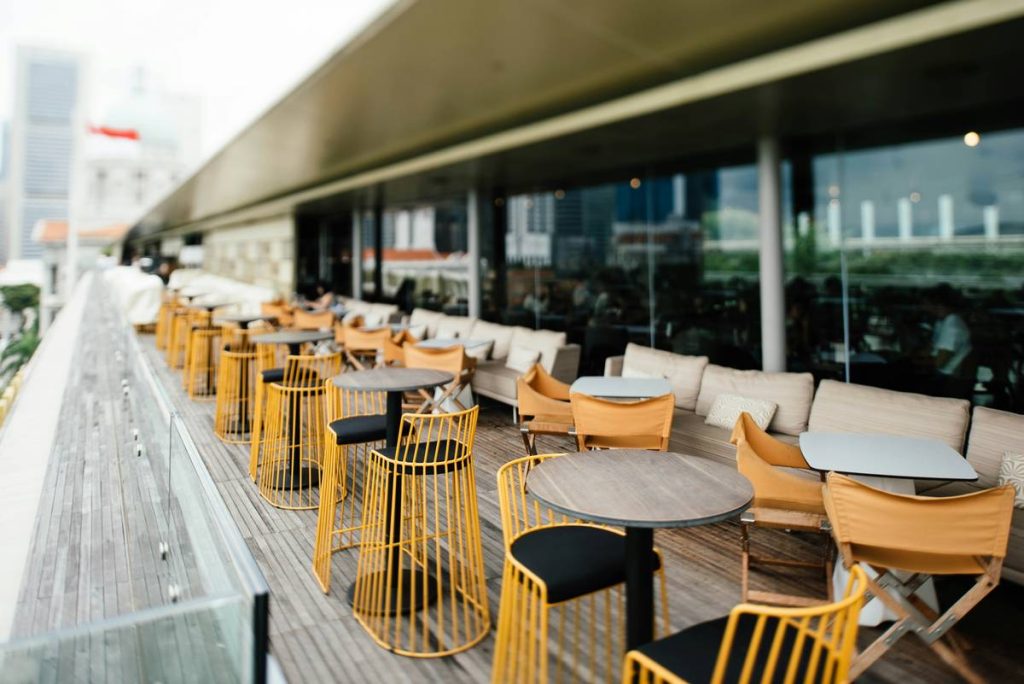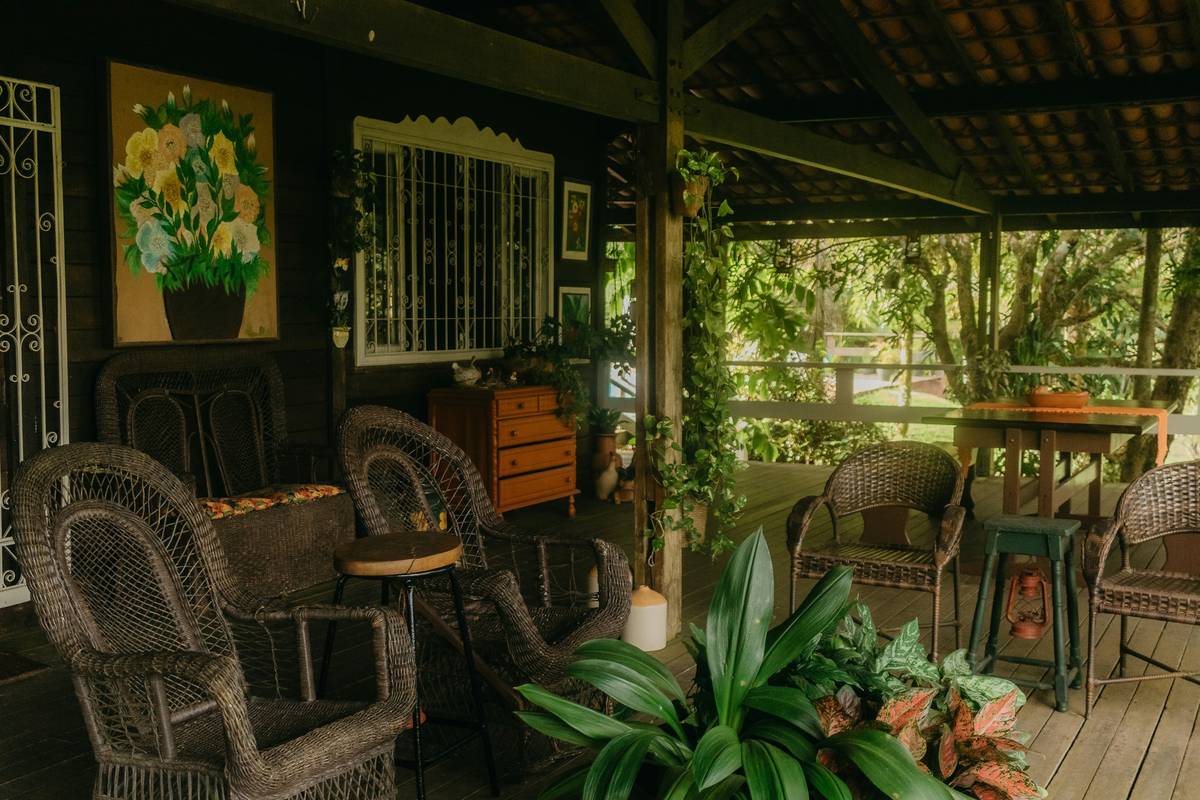
Ever returned from vacation only to find your favorite garden chair cracked, faded, or worse—moldy beyond repair? You’re not alone. Many homeowners assume outdoor furniture is “weatherproof” by default, but the truth is far more nuanced. In this guide, we’ll answer the burning question: garden decor chair can you leave outside year-round? We’ll walk through material science, seasonal strategies, and real-world fixes—plus share a personal blunder that cost me a beautiful teak set. Whether you’re curating a cozy patio or sprucing up a suburban backyard, these insights will protect your investment and keep your space looking intentional, not abandoned.
Table of Contents
- Why This Question Matters for Your Home’s Value
- Step-by-Step Guide to Assessing Outdoor Chair Durability
- Best Practices for Long-Term Garden Chair Care
- Real-World Examples: What Happens When You Get It Wrong (or Right)
- Frequently Asked Questions
Key Takeaways
- Not all “outdoor” chairs are created equal—material dictates survivability.
- Leaving a garden decor chair outside in winter without protection leads to UV degradation, moisture retention, and structural failure.
- Simple covers or seasonal storage can extend furniture life by 3–5 years.
- The phrase garden decor chair can you leave hinges on climate, construction, and maintenance—not just marketing labels.
Why This Question Matters for Your Home’s Value
In home improvement, curb appeal isn’t just about paint colors or landscaping—it’s about how your outdoor spaces reflect care and intentionality. A weather-beaten garden chair sends the opposite message: neglect. According to the National Association of Realtors, well-maintained outdoor living areas can boost perceived home value by up to 7% (NAR, 2023). But when chairs crack, rust, or grow mildew, they become liabilities.
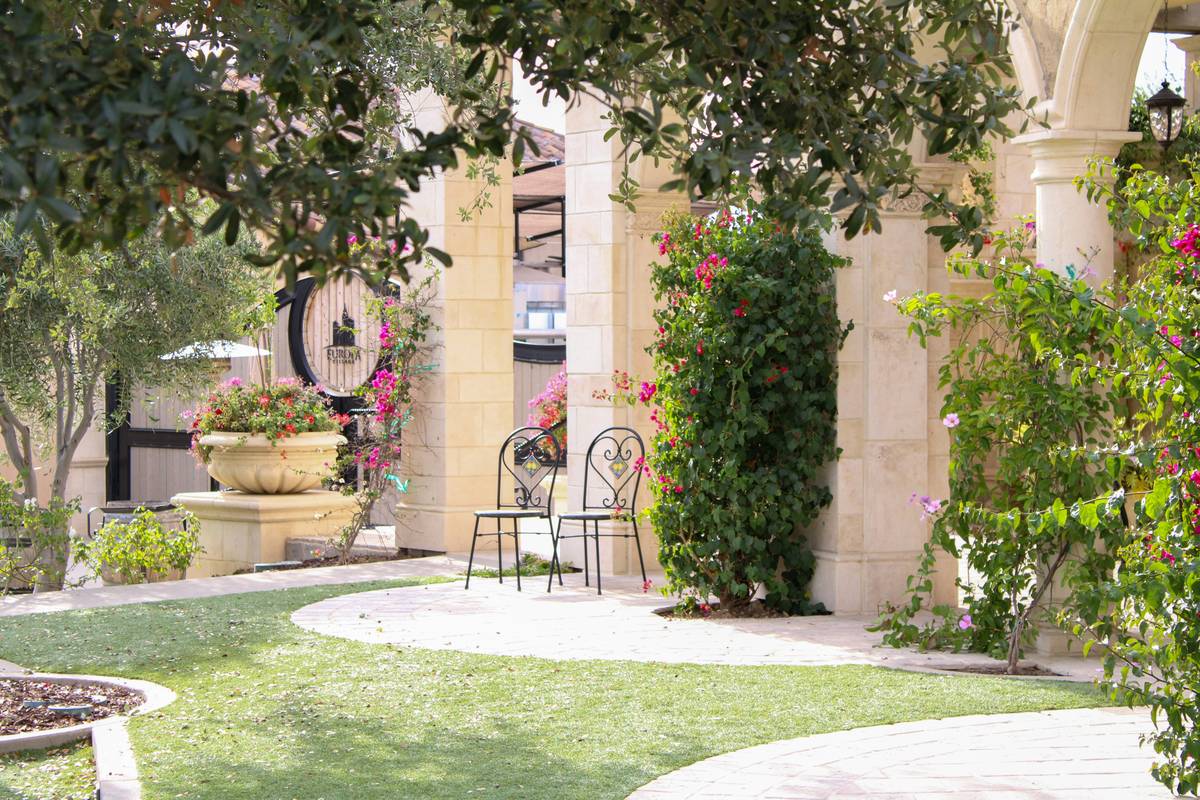
I learned this the hard way. Two summers ago, I left a gorgeous woven resin chair outside through a rainy Pacific Northwest fall. By spring, the frame had warped, and the cushions harbored black mold that wouldn’t come out—even after bleach treatment. That $300 “all-weather” piece became landfill fodder. Don’t make my mistake.
Step-by-Step Guide to Assessing Outdoor Chair Durability
Identify Your Chair’s Core Material
Check labels or manufacturer specs. Common types:
- Teak/Wood: Naturally rot-resistant but requires oiling; avoid prolonged ground contact.
- Aluminum: Rust-proof and lightweight, but thin gauges dent easily.
- Wicker (Resin vs. Natural): Synthetic resin holds up; natural rattan absorbs moisture and swells.
- Plastic/Polywood: UV-stable if labeled as such—otherwise fades quickly.
Evaluate Your Local Climate
If you live where temperatures drop below freezing or humidity exceeds 70% year-round, even “outdoor-rated” chairs need intervention. The USDA Plant Hardiness Zone Map offers clues about freeze-thaw cycles—yes, it applies to furniture too (USDA, 2023).
Test for Water Resistance
Pour a small amount of water on the seat. If it beads up, you’ve got decent protection. If it soaks in within 10 seconds, that chair shouldn’t stay outside uncovered.
Best Practices for Long-Term Garden Chair Care
- Cover or Store Off-Season: Use breathable fabric covers—not plastic tarps, which trap condensation.
- Elevate Chairs Off Concrete: Moisture wicks upward; use rubber feet or pavers.
- Clean Quarterly: Mix 1 part white vinegar with 4 parts water to kill mildew without damaging finishes.
- Avoid the “Just Rinse It” Trap: Hosing down won’t remove embedded salts or pollen that accelerate decay.
And here’s a terrible tip you’ll see online: “Leave your cushions out—they’ll dry fast.” Nope. Even “quick-dry” foams retain hidden moisture that breeds mold. I tried it once. Regret followed.
Real-World Examples: What Happens When You Get It Wrong (or Right)
In a 2022 durability test by Consumer Reports, polypropylene chairs left uncovered in Atlanta survived 18 months with minor fading. But identical models in Minneapolis failed within one winter due to ice expansion in micro-cracks. Meanwhile, a homeowner in San Diego kept her teak set pristine for six years simply by storing it under a pergola with mesh side panels—enough airflow to prevent dampness, enough coverage to block UV.
At Proloco Montebello, we’ve helped dozens of clients audit their outdoor spaces. One client avoided replacing $1,200 in metal bistro sets by switching to powder-coated frames and adding drainage holes—a fix detailed in our About Us case studies. Learn from others’ wins (and losses).
Frequently Asked Questions
Can you leave a garden decor chair outside in winter?
Only if it’s made of marine-grade materials like solid teak, HDPE lumber, or powder-coated aluminum—and even then, cover it. Most standard “patio” chairs aren’t built for freeze-thaw cycles.
How do I know if my chair is truly weather-resistant?
Check for certifications like ASTM D4329 (UV resistance) or ISO 9227 (salt spray testing). Absent those, assume it needs seasonal protection.
Will rain ruin my outdoor chair cushions?
Temporarily wet? Usually fine. Consistently damp? High risk of mold. Always stand cushions on edge to drain and dry fully before storing.
Is it worth covering just one garden decor chair?
Absolutely. A single chair left exposed can deteriorate faster than grouped furniture due to uneven sun exposure and wind stress.
What’s the biggest mistake people make with garden chairs?
Assuming “outdoor” means “indestructible.” Outdoor-rated ≠ maintenance-free. Regular care prevents premature replacement.
Where can I get personalized advice for my setup?
We specialize in sustainable, climate-smart outdoor solutions. Reach out anytime via our Contact Us page—we’d love to help. And rest assured, we handle your details per our Privacy Policy.
So, can you leave your garden decor chair outside? Sometimes—but never blindly. Treat it like fine leather: beautiful when cared for, tragic when ignored. Now go rescue that lonely chair before the next storm rolls in.