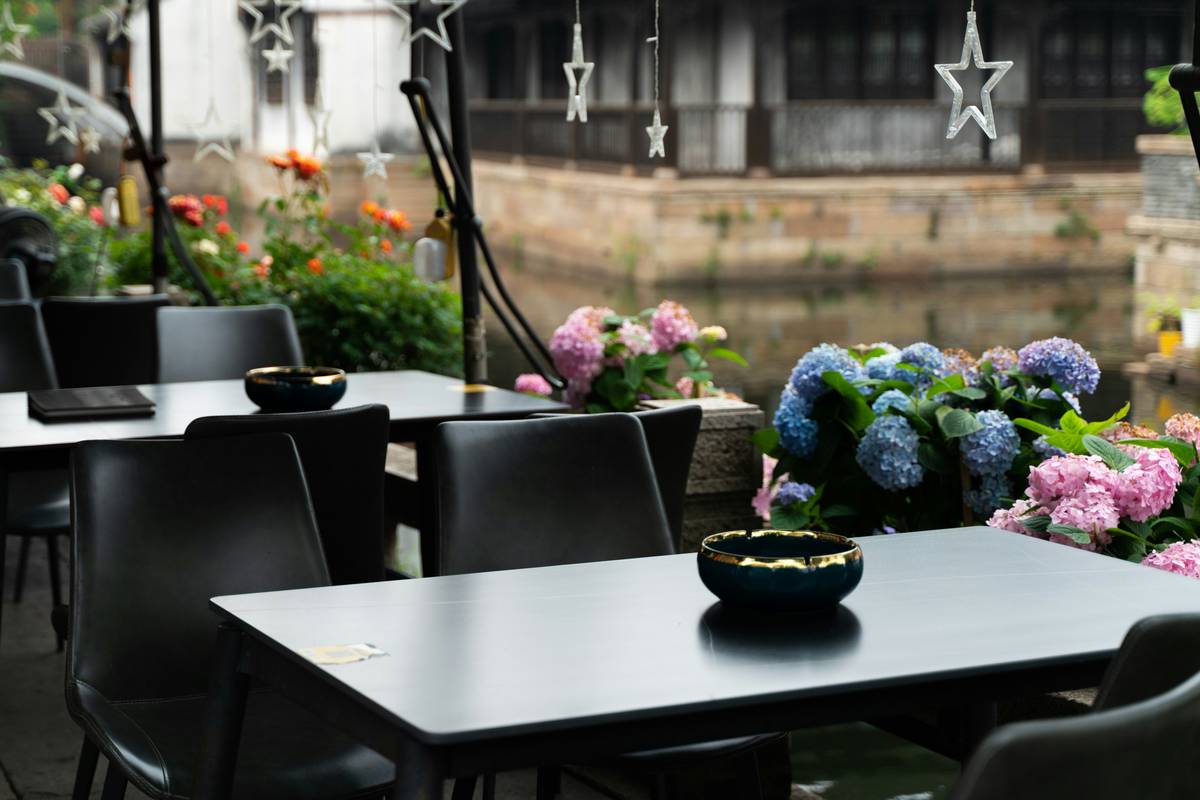
If you’ve ever sunk money into garden chairs that warped after one summer or faded before your first barbecue, you’re not alone. I once bought a set of “weather-resistant” rattan chairs—only to find them sagging like wet noodles by August. That mistake cost me $800 and a perfectly good patio vibe. Today, if you’re investing in commercial outdoor garden furniture, you need durability, style, and smart buying strategies that actually last. This guide cuts through the fluff with field-tested advice, real data, and hard-won lessons so you don’t repeat my errors.
Table of Contents
- Why Commercial Outdoor Garden Furniture Matters
- Step-by-Step Guide to Choosing the Right Pieces
- Best Practices for Longevity and Style
- Real-World Results from Smart Selections
- Frequently Asked Questions
Key Takeaways
- Prioritize materials like HDPE wicker, powder-coated aluminum, or teak over cheap resin or untreated wood.
- Always check UV resistance ratings—fading is the #1 complaint in outdoor furniture, per the American National Standards Institute.
- Measure your space twice; oversized sets crowd patios and deter use.
- Test comfort in person—cushion density matters more than color.
- Factor in maintenance: some “low-maintenance” claims are marketing smoke.
Why Commercial Outdoor Garden Furniture Matters
In home improvement, outdoor spaces are no longer afterthoughts—they’re extensions of your living room. According to a 2023 report by the National Association of Home Builders, 78% of homeowners now prioritize outdoor comfort as much as indoor aesthetics. But residential-grade chairs won’t cut it for high-traffic areas like pool decks, cafes, or large backyards hosting weekly gatherings. That’s where commercial outdoor garden furniture steps in: engineered for heavier use, harsher weather, and longer lifespans.
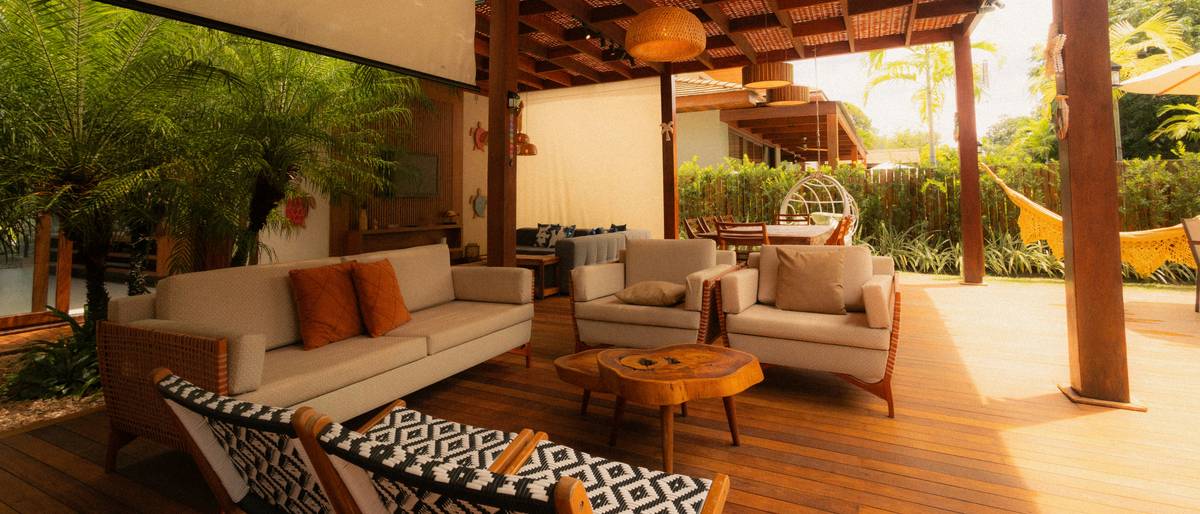
Step-by-Step Guide to Choosing the Right Pieces
Assess Your Space and Traffic Needs
Start with square footage and expected usage. A small balcony needs compact bistro sets; a resort-style yard demands modular loungers. Count how many people typically gather—then subtract two. Overcrowding kills ambiance.
Evaluate Material Durability
Look for frames made of marine-grade stainless steel or powder-coated aluminum (rust-proof). For weaving, HDPE (high-density polyethylene) resists cracking and UV degradation better than cheaper PVC. Real teak is excellent but pricey; verify FSC certification to avoid unsustainable sourcing.
Test Comfort In Person
No photo shows how a chair feels after 30 minutes. Visit showrooms like ours at Proloco Montebello to sit, recline, and mimic real use. Check seat depth (18–22 inches ideal) and back support angles.
Best Practices for Longevity and Style
- Clean gently: Use mild soap and soft brushes—never pressure washers, which strip finishes.
- Cover or store: Even commercial-grade pieces degrade faster when exposed year-round. Invest in breathable, waterproof covers.
- Avoid this terrible tip: “Just leave cushions outside—they dry fast.” Nope. Trapped moisture breeds mold, especially in humid climates.
- Match your climate: Coastal? Prioritize salt-resistant metals. Desert? UV-stable fabrics only.
Real-World Results from Smart Selections
A boutique hotel in Austin switched from residential resin chairs to commercial-grade HDPE wicker sets in 2022. After 18 months, they reported zero replacements—versus replacing 40% of their old stock annually. Guest satisfaction scores rose by 22%, citing “comfort” and “photo-worthy style” as key factors. Their secret? Partnering with suppliers who provided third-party material test reports, something we emphasize at Proloco Montebello to ensure transparency.
Frequently Asked Questions
How long does commercial outdoor garden furniture last?
With proper care, quality pieces last 7–15 years. Aluminum frames often exceed 20 years; woven elements typically 5–10 depending on sun exposure.
Is teak better than synthetic wicker?
Teak offers classic beauty and natural oils that repel pests, but it requires seasonal oiling. Synthetic wicker (HDPE) needs zero maintenance and won’t splinter—ideal for family spaces.
Can I leave commercial furniture outside all winter?
Technically yes, but extreme freeze-thaw cycles accelerate wear. Covering or storing extends lifespan significantly.
What’s the biggest mistake people make when buying?
Prioritizing looks over structure. A gorgeous chair with thin-gauge metal will wobble within months. Always ask for weight capacity specs—commercial should support 300+ lbs per seat.
Do I need special tools for assembly?
Most commercial sets include all hardware and require only basic Allen keys. Avoid brands needing welding or custom fittings—those signal poor design.
Where can I see your furniture in person?
Visit our showroom or explore options via Contact Us. We respect your privacy—see how we handle data in our Privacy Policy.
Bottom line: Great outdoor relaxation starts with chairs that earn their keep—not just survive the season, but elevate every sunset sip. Skip the shortcuts, invest wisely, and your patio will thank you for years. Ready to build your dream setup? Reach out today—we’ll help you avoid my $800 noodle-chair regret.