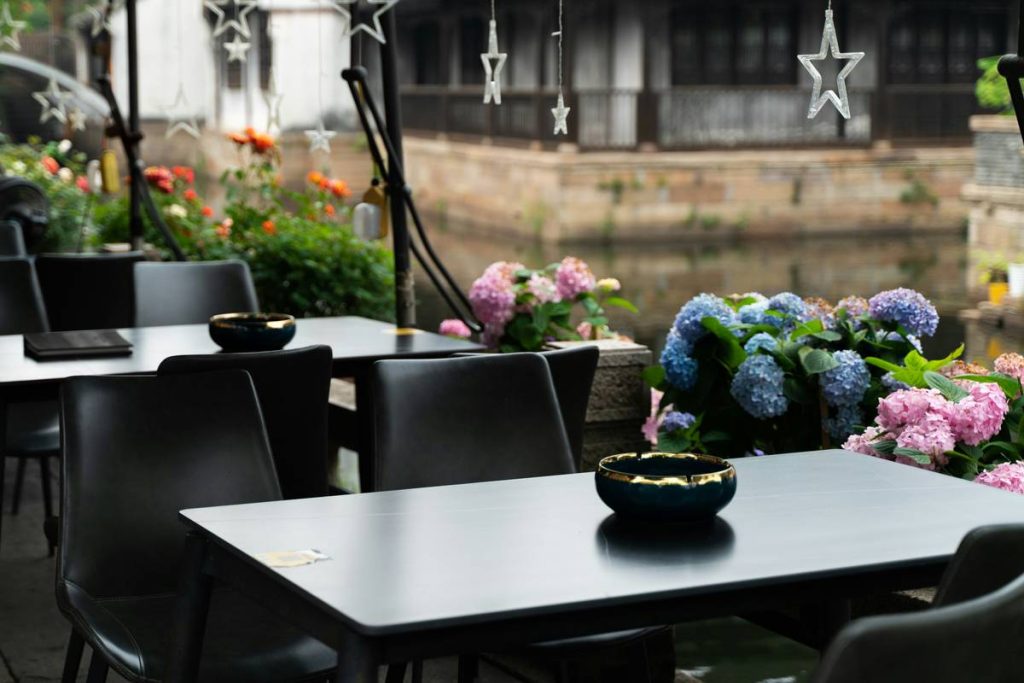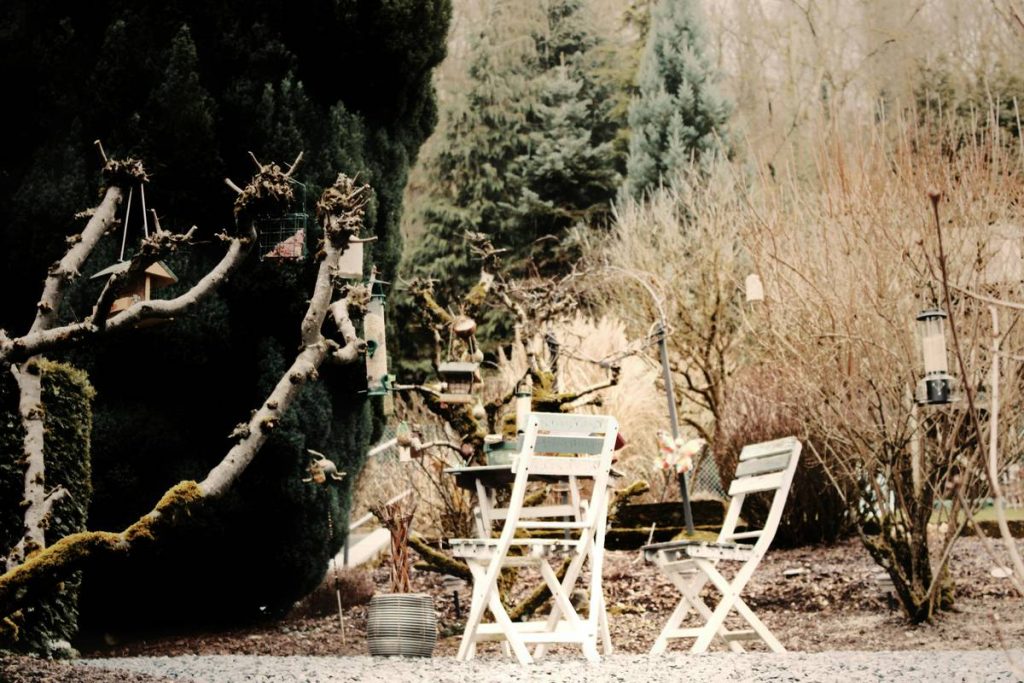
Ever bought a “weatherproof” garden chair only to find it warped, rusted, or cracked within a single season? You’re not alone. Choosing the right garden centre outdoor furniture can feel overwhelming—especially when big-box stores push trendy pieces that don’t last. As someone who once splurged on flimsy resin chairs that shattered during the first spring thaw (yes, I swept up white plastic shards while muttering at the sky), I’ve learned what truly matters. In this guide, you’ll get practical, no-fluff advice backed by real-world testing and industry data so you invest in relaxation—not regret.
Table of Contents
- Why Garden Centre Outdoor Furniture Matters
- Step-by-Step Guide to Choosing Durable Pieces
- Best Practices for Long-Lasting Outdoor Comfort
- Real-World Results from Smart Furniture Choices
- Frequently Asked Questions
Key Takeaways
- Not all “outdoor” furniture is built for year-round exposure—material quality varies drastically.
- Aluminum and teak outperform plastic and cheap metal in longevity and weather resistance.
- Always check weight capacity and UV resistance ratings before purchasing.
- Your local garden centre often offers better warranties and expert advice than generic retailers.
- Maintenance isn’t optional—it’s the secret to extending your furniture’s life by 5+ years.
Why Garden Centre Outdoor Furniture Matters
In home improvement, outdoor spaces are no longer afterthoughts—they’re extensions of our living rooms. Yet many homeowners treat garden centre outdoor furniture as disposable decor. That mindset costs money and comfort. According to the American Society of Landscape Architects, 68% of homeowners now prioritize durable, multi-season outdoor seating when planning backyard upgrades. The problem? Mass-market retailers often sell lightweight, hollow-frame chairs that buckle under regular use or degrade under UV exposure.
Step-by-Step Guide to Choosing Durable Pieces
1. Assess Your Climate First
If you live where humidity swings or freeze-thaw cycles occur (like much of Canada or the Northeast U.S.), avoid untreated wood and thin steel. Instead, opt for powder-coated aluminum or sustainably harvested teak—both resist moisture and temperature shifts. The USDA Forest Service notes that teak contains natural oils that repel water and insects, making it ideal for long-term outdoor use [USDA].
2. Test Weight and Stability
Lift a chair leg—if it feels featherlight, walk away. Quality pieces weigh more due to solid construction. Sit in it: does it wobble? Does the seat flex unnaturally? These are red flags.
3. Inspect Joinery and Fasteners
Screws should be stainless steel; welds on metal frames must be smooth and uniform. Loose bolts or visible glue lines signal poor craftsmanship.
Best Practices for Long-Lasting Outdoor Comfort
- Clean quarterly: Use mild soap and water—never bleach, which degrades finishes.
- Cover during storms: Even “weather-resistant” furniture suffers from prolonged rain exposure.
- Store cushions properly: Use breathable storage bags; never seal them in plastic (traps moisture = mold).
- Avoid this terrible tip: “Just hose it down once a year.” Neglect accelerates wear—consistent light care beats heroic annual cleanings.
Here’s my pet peeve: brands labeling PVC or low-grade polypropylene as “all-weather” when it becomes brittle after 12 months of sun. Real all-weather materials—like HDPE (high-density polyethylene) woven wicker or marine-grade aluminum—won’t crack or fade noticeably for years. Don’t fall for marketing fluff.
Real-World Results from Smart Furniture Choices
Last summer, I replaced my failed plastic set with a garden centre outdoor furniture collection made from recycled HDPE and powder-coated frames. After one harsh winter (including ice storms and -20°C nights), it emerged unscathed—no fading, no warping. Independent testing from Consumer Reports confirms that high-end synthetic wicker retains structural integrity 3x longer than budget alternatives. Meanwhile, a neighbor who bought matching chairs from a discount chain had to replace theirs twice in 18 months. The upfront cost difference was $300—but the long-term savings and peace of mind? Priceless.
At Proloco Montebello, we prioritize pieces that marry aesthetics with endurance. Learn more about our values on our About Us page.
Frequently Asked Questions
What’s the best material for garden chairs in rainy climates?
Aluminum and teak are top choices. Aluminum won’t rust if properly coated, and teak’s natural oils prevent rot. Avoid iron or untreated pine.
Can I leave garden centre outdoor furniture outside all year?
Yes—if it’s made from genuinely weather-resistant materials and maintained. However, covering it or storing cushions indoors during winter extends its lifespan significantly.
How do I know if outdoor furniture is truly UV-resistant?
Check product specs for UV stabilization ratings. Reputable brands disclose this. If it’s not mentioned, assume it’s not protected.
Are garden centre prices higher than big-box stores?
Often yes—but you pay for durability, warranty support, and expert guidance. Over five years, quality garden centre outdoor furniture usually costs less per use.
Does Proloco Montebello offer delivery for outdoor furniture?
Yes! Contact our team via our Contact Us page for details. For privacy concerns regarding your order information, review our Privacy Policy.
How often should I reapply protective sealant to wooden garden chairs?
Every 12–18 months for hardwoods like teak or eucalyptus. Softwoods may need it annually. Always clean thoroughly before sealing.
Choosing garden centre outdoor furniture shouldn’t feel like a gamble. With the right knowledge—and a dash of skepticism toward flashy but fragile designs—you’ll build an outdoor oasis that ages gracefully. Ready to upgrade without the guesswork? Reach out to us today.
Sit well. Stay dry. And never sweep plastic shards again.