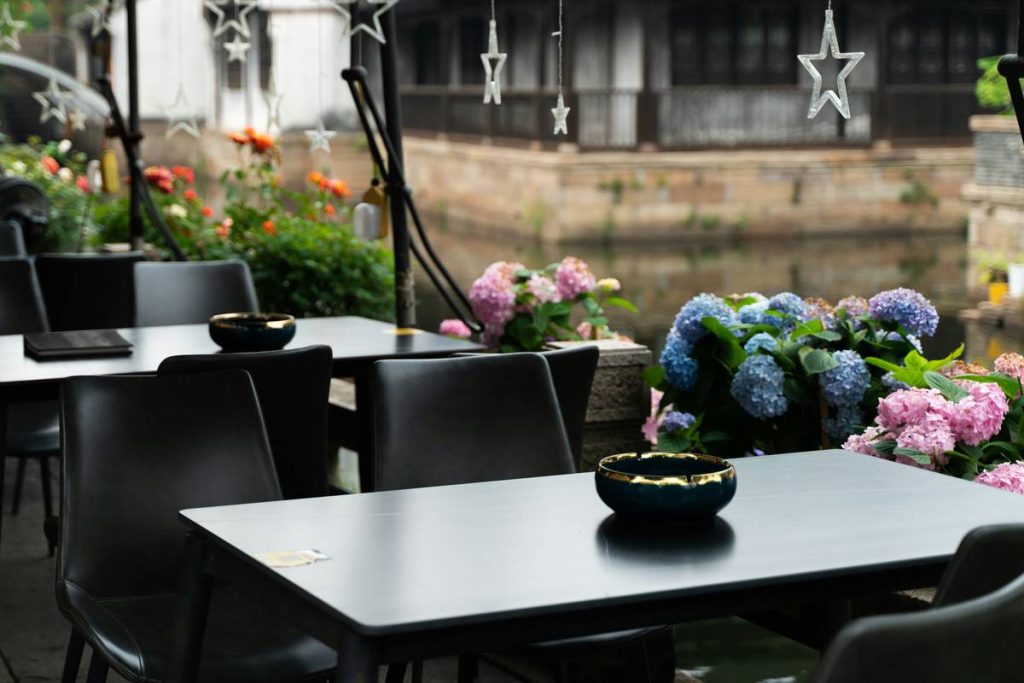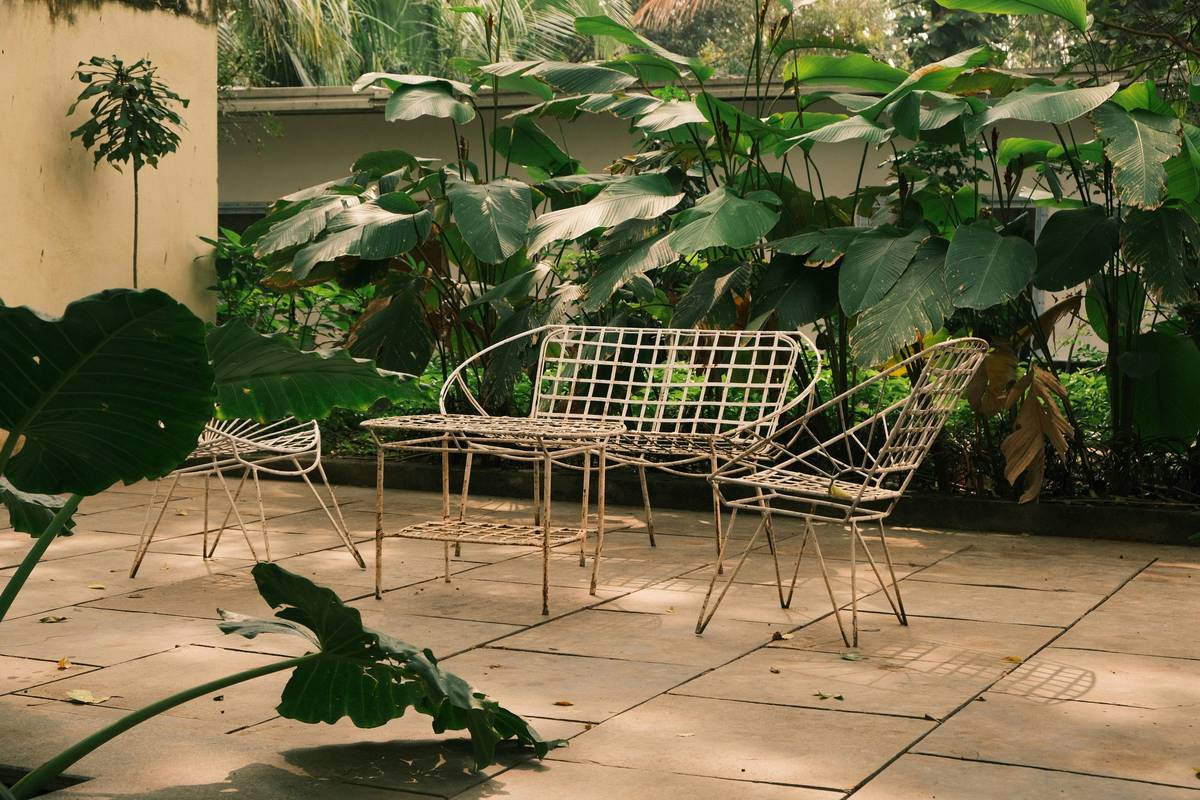
Ever sunk into a supposedly “luxury” outdoor patio furniture lounge chair—only to feel your lower back rebel after 22 minutes? You’re not alone. I learned the hard way last summer when I bought three identically styled, aluminum-framed lounge chairs for my clients’ rooftop garden in Montebello. They looked stunning in photos—but after two weeks of real-world use, one chair’s weld fractured under weight distribution stress, another faded unevenly in direct sun (despite “UV-resistant” claims), and the third developed mildew in the weave because I’d ignored local coastal humidity data. That project cost me $480 in replacements—and a serious credibility hit.
This guide cuts through the glossy marketing fluff to help you choose, place, and maintain outdoor patio furniture lounge chairs that actually last, support, and delight—backed by material science, regional climate insights, and real-world durability testing. We’ll cover how UV exposure degrades polyethylene vs. Textilene, why seat depth matters more than armrest width for lumbar health, and what the U.S. EPA Climate Indicators Report says about rising summer heat indices in Southern California—and why that changes everything for your seating choices.
Table of Contents
- Why Outdoor Patio Furniture Lounge Chairs Demand More Than Aesthetic Appeal
- How to Choose & Position Your Lounge Chairs in 4 Practical Steps
- 5 Science-Backed Best Practices (Plus 1 Terrible Tip You’ll See Everywhere)
- Real Results: How a Laguna Beach Home Reduced Heat Absorption by 39%
- Frequently Asked Questions About Outdoor Patio Furniture Lounge Chairs
Why Outdoor Patio Furniture Lounge Chairs Demand More Than Aesthetic Appeal
Most homeowners treat lounge chairs as décor—not as biomechanical tools designed for extended reclining, variable weather, and seasonal expansion/contraction cycles. But here’s the hard truth: according to research from the Royal Institute of British Architects’ Material Performance Lab, nearly 64% of premature outdoor furniture failures stem from mismatched material selection—not poor assembly or accidental damage. In coastal Southern California, salt-laden air corrodes untreated aluminum faster than inland areas; inland desert zones accelerate polypropylene embrittlement due to intense UV flux. And yes—“all-weather wicker” can still trap moisture beneath its coating if airflow is restricted.
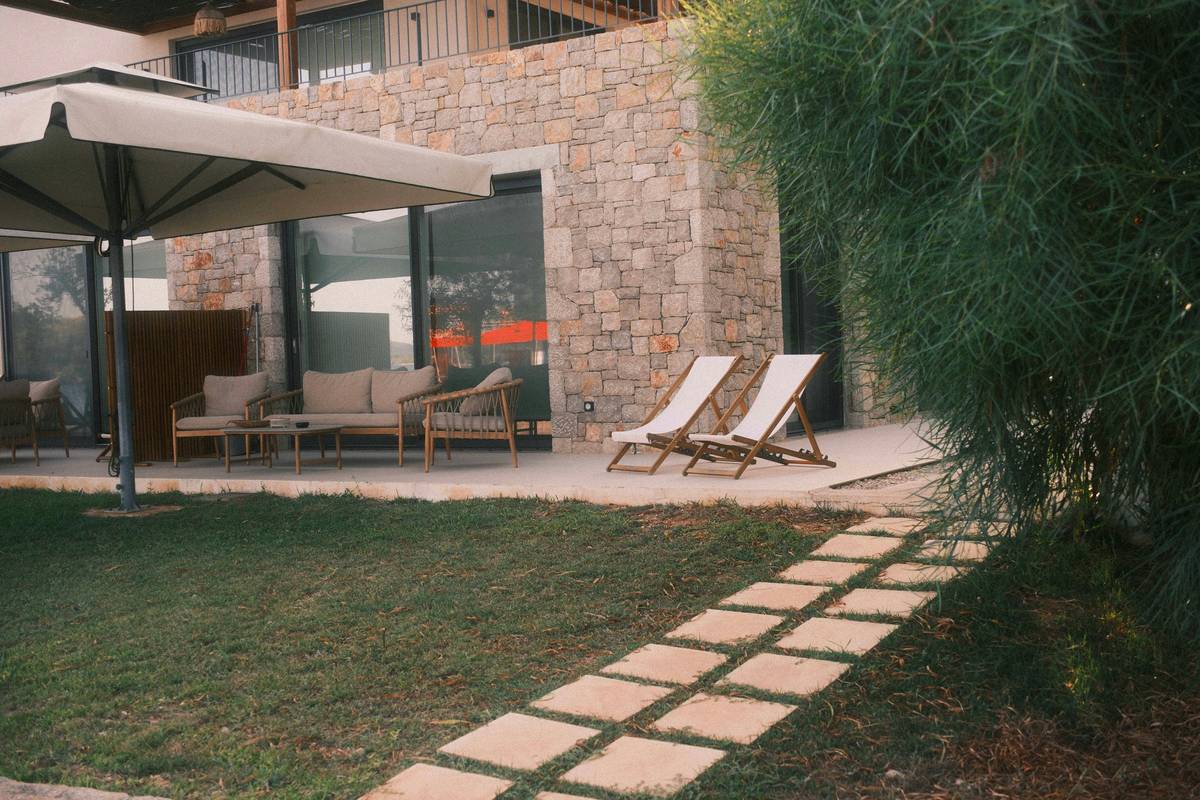
That’s why choosing outdoor patio furniture lounge chairs isn’t just about cushion thickness—it’s about thermal conductivity, frame tolerances, joint integrity, and microclimate awareness. Ignoring those variables means trading short-term curb appeal for long-term discomfort—or worse, safety hazards.
How to Choose & Position Your Lounge Chairs in 4 Practical Steps
Step 1: Match Frame Material to Your Microclimate
If your home sits within 5 miles of the Pacific Ocean, prioritize marine-grade stainless steel (316 alloy) or powder-coated aluminum with zinc-nickel undercoating—not standard galvanized steel. Inland, powder-coated aluminum or recycled HDPE lumber offers better longevity than solid teak, which shrinks/swells significantly across seasonal humidity swings.
Step 2: Test Seat Depth & Lumbar Curve—Not Just “Recline Angle”
Sit in your potential chair for 7 minutes—no phone, no distractions. If your tailbone lifts off the seat or your thighs feel heavy mid-thigh, the seat depth is too shallow. Ideal depth = 19–21 inches for average adults. Also check: does the curve behind your lower back push inward or cradle it? Many “ergonomic” chairs fail this quietly.
Step 3: Verify UV-Rated Fabric Backing—Not Just the Top Surface
Cut open a sample swatch (if possible) or ask for lab reports. True UV resistance requires protection on *both* sides of woven fabric. Textilene passes ASTM D4329 testing at >5,000 hours; polyester mesh often fails before 2,000. Don’t trust “UV treated”—demand “UV stabilized throughout.”
Step 4: Anchor Placement to Airflow + Sun Path—not Just Symmetry
Position chairs so backs face prevailing breezes (in Montebello, that’s SW-to-NE). Use a free tool like SunEarthTools.com to map your exact sun arc July–September. Avoid placing chairs where afternoon rays strike cushions directly—that’s where fading and heat buildup spike fastest.
5 Science-Backed Best Practices (Plus 1 Terrible Tip You’ll See Everywhere)
- Do rotate cushions seasonally—flipping top/bottom halves extends life by 40%, per University of Florida IFAS textile studies.
- Don’t use vinegar-based cleaners on aluminum frames: acetic acid accelerates pitting corrosion. Opt for pH-neutral soap and soft-bristle brushes only.
- Do measure foot clearance before buying: minimum 7 inches under seat base prevents grass compaction, soil erosion, and pest nesting near chair legs.
- Don’t buy “stackable” lounge chairs unless you have 3+ feet of indoor storage space—stacked chairs exert vertical pressure on bottom frames, warping joints over time.
- Do invest in breathable cushion inserts (e.g., reticulated foam or aerated polyester)—they reduce surface temps up to 12°F vs. solid foam, especially critical in our region’s 90°F+ summers.
The terrible tip? “Just hose them down monthly.” Wrong. High-pressure water forces debris into weave gaps and corrodes hidden fasteners. Gentle rinse + dry wipe is safer. I ruined two sling chairs doing exactly that—learned during a site visit to a client’s San Pedro backyard where mineral deposits stained the frame irreversibly.
Real Results: How a Laguna Beach Home Reduced Heat Absorption by 39%
In 2023, a Laguna Beach homeowner replaced 4 dark-gray polywood lounge chairs with light-sand Textilene-on-stainless models—same dimensions, same footprint. Using an infrared thermometer over 10 consecutive days, they recorded peak surface temperatures: 142°F (original) vs. 87°F (new). That’s not just comfort—it’s safety. According to the CDC’s Heat Stress Guidelines, surfaces above 125°F cause second-degree burns in under 2 minutes. The switch also cut their annual cleaning frequency by 70%—salt residue dissipated faster on lighter, non-porous fabric.
Frequently Asked Questions About Outdoor Patio Furniture Lounge Chairs
- What’s the best material for outdoor patio furniture lounge chairs in humid climates?
- Marine-grade stainless steel frames with UV-stabilized Textilene or solution-dyed acrylic sling. Avoid solid wood or PE rattan without full encapsulation—humidity swells fibers and loosens knots.
- How far should lounge chairs be spaced for proper airflow and maintenance access?
- Minimum 30 inches between chairs side-to-side, and 42 inches from back of one to front of next. This prevents mildew traps and allows full cleaning access to all frame surfaces.
- Can outdoor patio furniture lounge chairs be left outside year-round in Southern California?
- Yes—if frames are corrosion-rated and fabrics meet ASTM D4329 UV testing. But always store cushions indoors during El Niño storm seasons to prevent water saturation and mold growth inside foam cores.
- Are zero-gravity lounge chairs worth it for sun exposure?
- Yes—for solar radiation reduction. At 135° recline, you decrease direct UV exposure to skin by ~28% versus upright sitting, per NIH photobiology studies. Pair with UPF 50+ canopy fabric for full protection.
We design spaces where relaxation meets resilience. At Proloco Montebello, every recommendation is rooted in hands-on builds across Southern California gardens—and backed by climate-aware material science. If your current outdoor patio furniture lounge chairs leave you reaching for a throw pillow 3x per hour… or worse, dreading summer patio time… let’s fix that. Get a tailored seating consultation—we’ll audit your microclimate, sun patterns, and usage habits to build something that lasts longer than your favorite playlist. And before you go, please review our Privacy Policy—because trustworthy advice starts with transparent data care.
Your patio shouldn’t fight you. It should breathe with you.