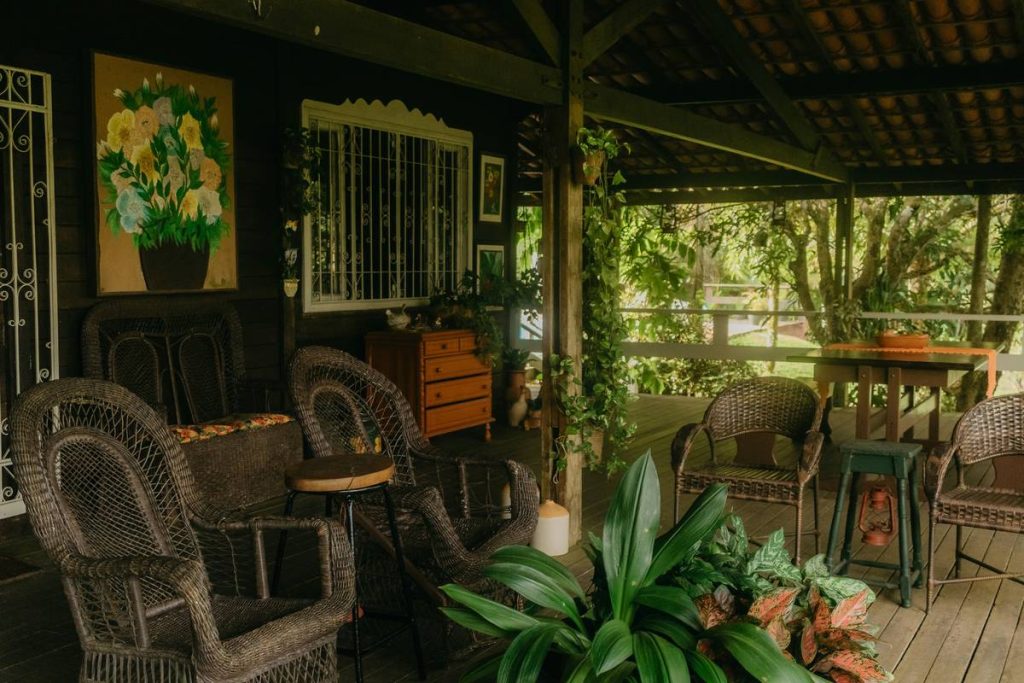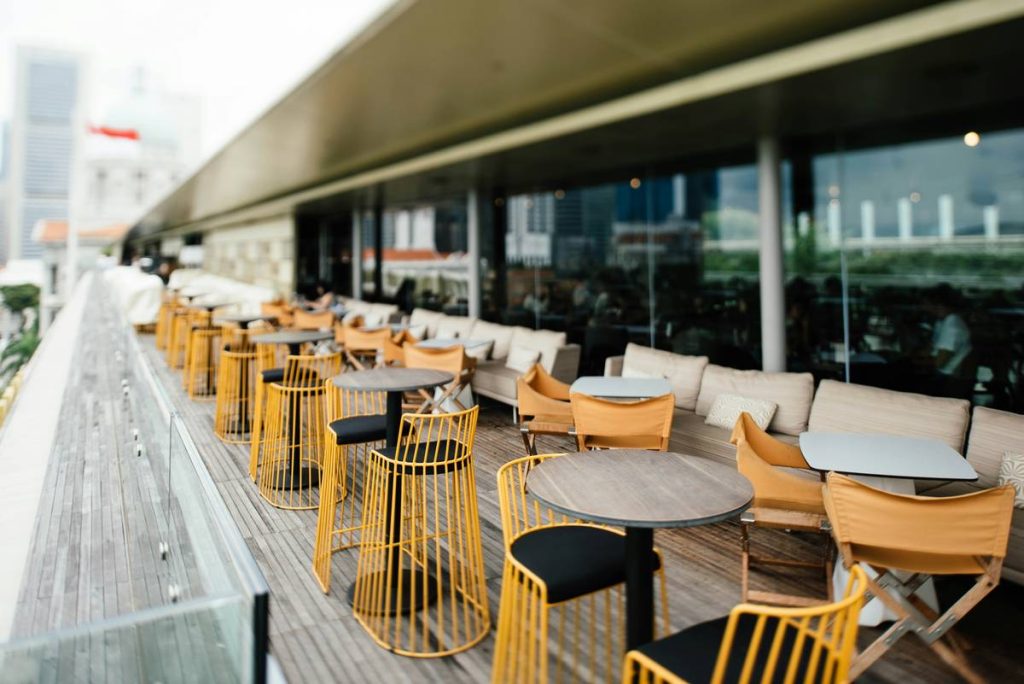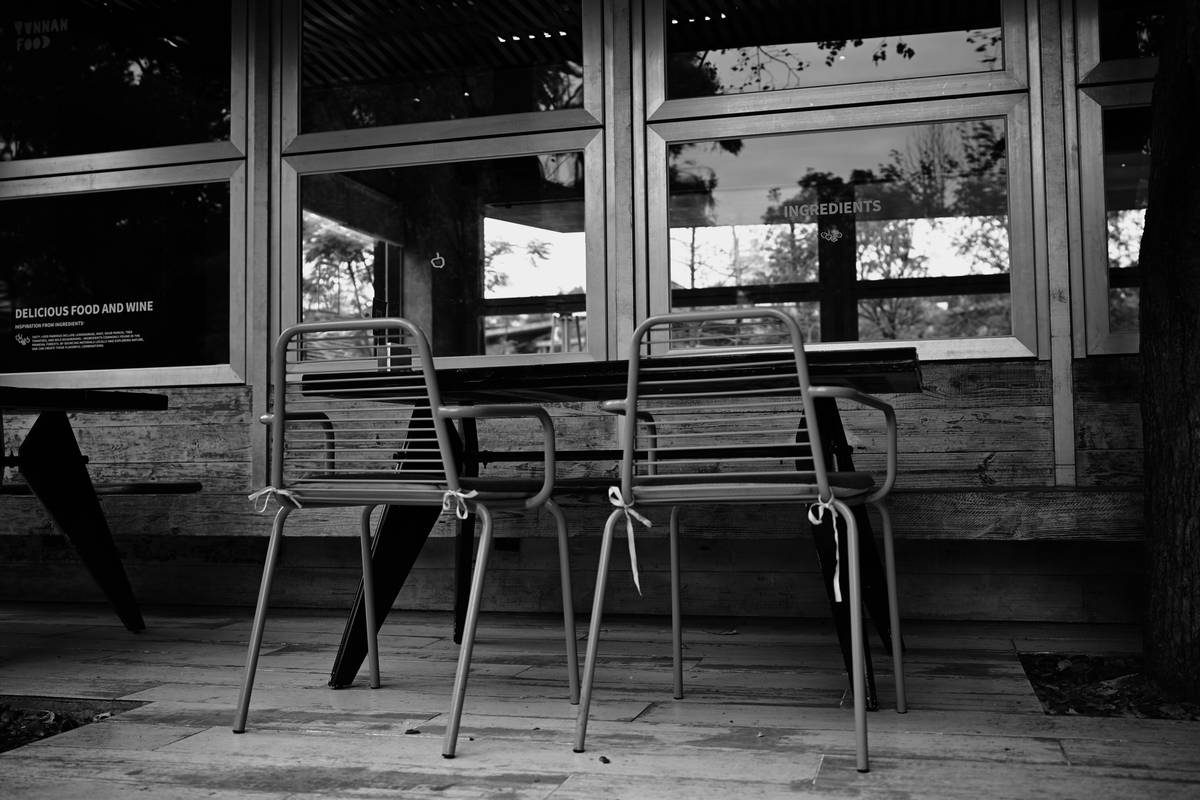
If you’ve ever sunk money into flimsy “weatherproof” chairs that warped after one summer storm, you’re not alone. I learned the hard way when a bargain set from a big-box store collapsed under my aunt during her birthday BBQ—embarrassing and expensive. Choosing the right outdoor patio furniture chairs isn’t just about looks; it’s about durability, comfort, and long-term value in your home improvement journey. In this guide, you’ll discover seven expert-backed strategies to pick pieces that last, along with real-world examples and common pitfalls to skip.
Table of Contents
- Why Outdoor Chairs Matter in Home Improvement
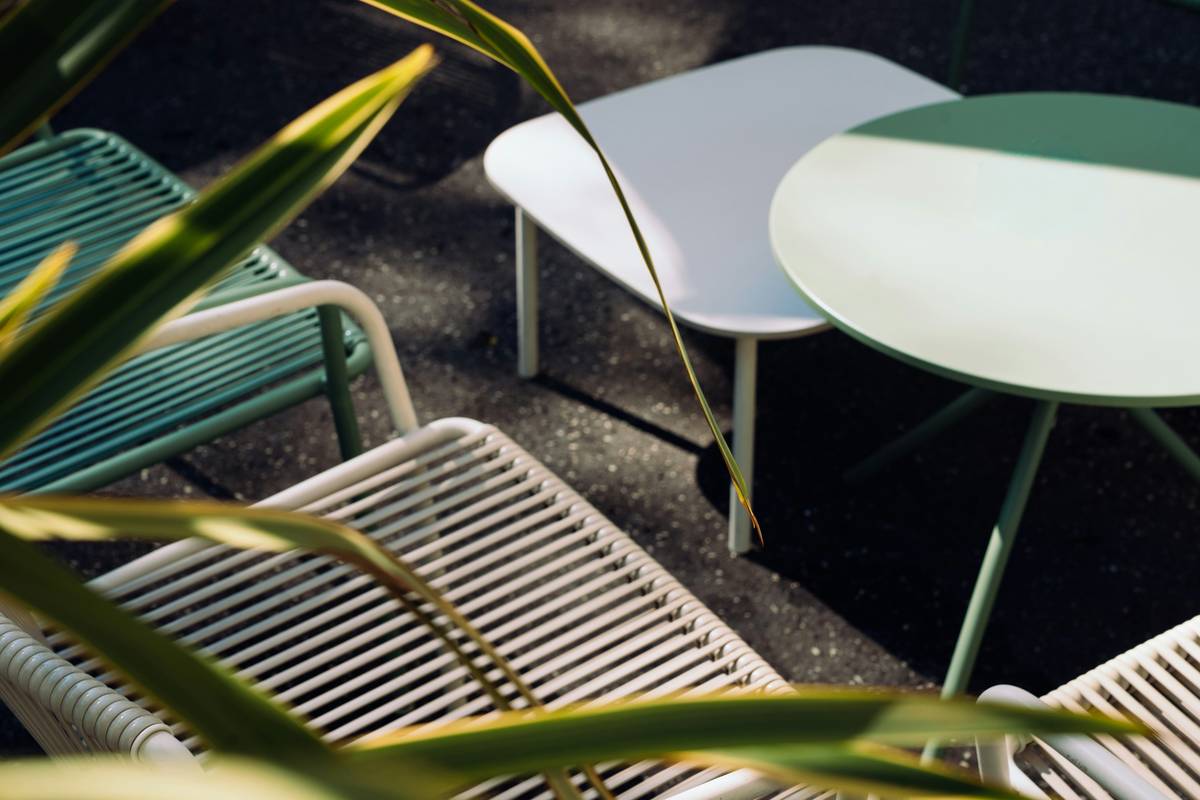
- Step-by-Step Guide to Choosing Durable Garden Seating
- Best Practices for Long-Lasting Outdoor Seating
- Real-World Examples That Prove These Tips Work
- FAQs About Outdoor Patio Furniture Chairs
Key Takeaways
- Material choice (teak, aluminum, HDPE wicker) directly impacts longevity and maintenance needs.
- Comfort isn’t optional—test seat depth, back angle, and cushion support before buying.
- Avoid the “terrible tip” of prioritizing style over structural integrity.
- Climate plays a huge role; humidity, UV exposure, and salt air demand specific materials.
- Investing in quality outdoor patio furniture chairs saves money over time versus frequent replacements.
Why Outdoor Chairs Matter in Home Improvement
Your patio or garden is an extension of your living space—not just a patch of grass with a table. Poor seating choices undermine both aesthetics and functionality. According to the National Association of Home Builders, 78% of homeowners consider outdoor living areas a key factor in property value. Yet, many overlook how quickly cheap chairs degrade. I once bought a set labeled “all-weather resin” that faded to chalky gray in three months and cracked under light pressure. Don’t repeat my error.
Step-by-Step Guide to Choosing Durable Garden Seating
Assess Your Climate and Exposure
If you live near the coast, salt air corrodes metals fast. In humid regions like Florida, mildew eats untreated fabrics. The U.S. Department of Energy notes that UV radiation degrades plastics and finishes within 12–24 months without proper protection. Choose powder-coated aluminum or marine-grade polymer for harsh conditions.
Test Comfort in Person
Online shopping is convenient, but never buy outdoor patio furniture chairs without sitting in them first if possible. Look for seats at least 18 inches deep and backs tilted between 100°–110° for natural lumbar support. Cushions should be quick-drying with Sunbrella® or Olefin fabric—both resist fading and stains better than standard polyester.
Check Frame Construction
Lift the chair. If it feels flimsy or flexes under light pressure, skip it. Solid joints (welded metal or mortise-and-tenon wood) outlast screws or plastic connectors. Reputable brands often disclose construction details—something we prioritize in our selections at Proloco Montebello.
Best Practices for Long-Lasting Outdoor Seating
- Clean regularly: Rinse weekly with mild soap to prevent grime buildup.
- Store cushions: Keep them in a dry bin during rain or winter—yes, even “weather-resistant” ones.
- Avoid this terrible tip: “Just spray it with clear coat!” DIY sealants often peel and trap moisture, accelerating rot.
- Reapply protective oils: Teak and eucalyptus need annual treatment to maintain integrity (Forest Products Laboratory confirms this).
Real-World Examples That Prove These Tips Work
A client in Santa Monica replaced her rusted iron bistro set with recycled HDPE (high-density polyethylene) outdoor patio furniture chairs from a certified sustainable brand. Two years later, they looked new—no fading, no warping—even after daily ocean-spray exposure. Meanwhile, a neighbor who chose cheaper PVC wicker saw their set disintegrate by year one. Similarly, a University of Georgia extension study found that properly maintained teak furniture lasts 25+ years, while untreated alternatives averaged just 4–6 years.
At Proloco Montebello, we’ve helped dozens of homeowners avoid these costly cycles. Our process starts with understanding your space—something you can explore further on our Contact Us page.
FAQs About Outdoor Patio Furniture Chairs
What material lasts longest for outdoor chairs?
Teak, powder-coated aluminum, and HDPE wicker top durability charts. Each resists rot, rust, or UV damage effectively when maintained.
Are all-weather cushions truly waterproof?
No—they’re water-resistant, not waterproof. Prolonged saturation leads to mold. Always store them indoors during storms.
How much should I spend on quality outdoor patio furniture chairs?
Budget $150–$400 per chair for mid-to-high-end durability. Cheaper sets often cost more long-term due to replacements.
Can I leave my chairs outside year-round?
Depends on climate and material. In freeze-thaw zones, even robust chairs benefit from covers or storage. Check manufacturer guidelines—and review our Privacy Policy if sharing location data for personalized advice.
Do darker colors fade faster?
Actually, lighter colors often show UV damage more visibly as yellowing or chalkiness. However, dark fabrics absorb more heat, which can accelerate fabric breakdown.
Where can I see sustainable options in person?
We recommend visiting certified showrooms or retailers aligned with the Sustainable Furnishings Council (sustainablefurnishings.org), which verifies eco-friendly practices.
Choosing the right seating transforms your garden from an afterthought into your favorite room. Stop settling for chairs that quit after one season—invest wisely, sit comfortably, and let your patio tell a story of smart home improvement. Ready to find your perfect set? Contact us today—we’ll help you skip the mistakes and land in the shade, in style.