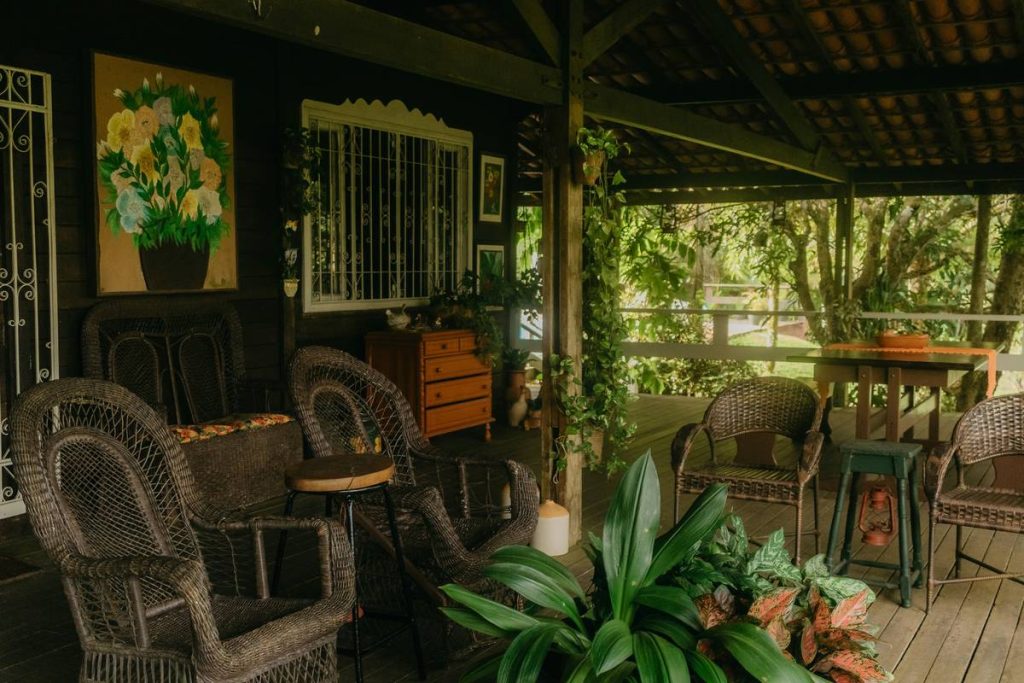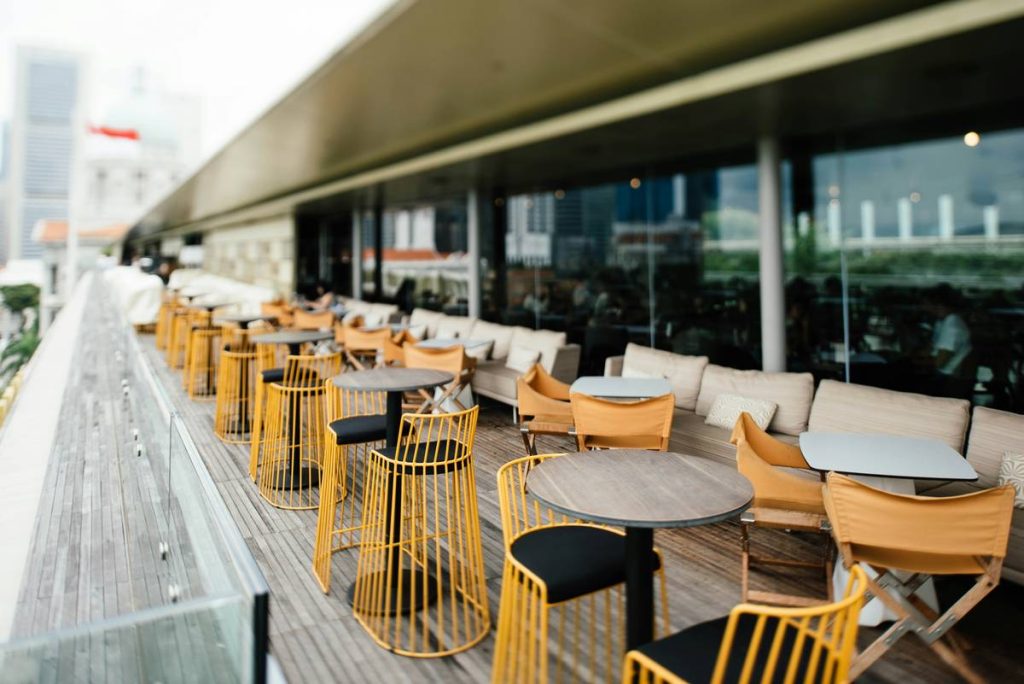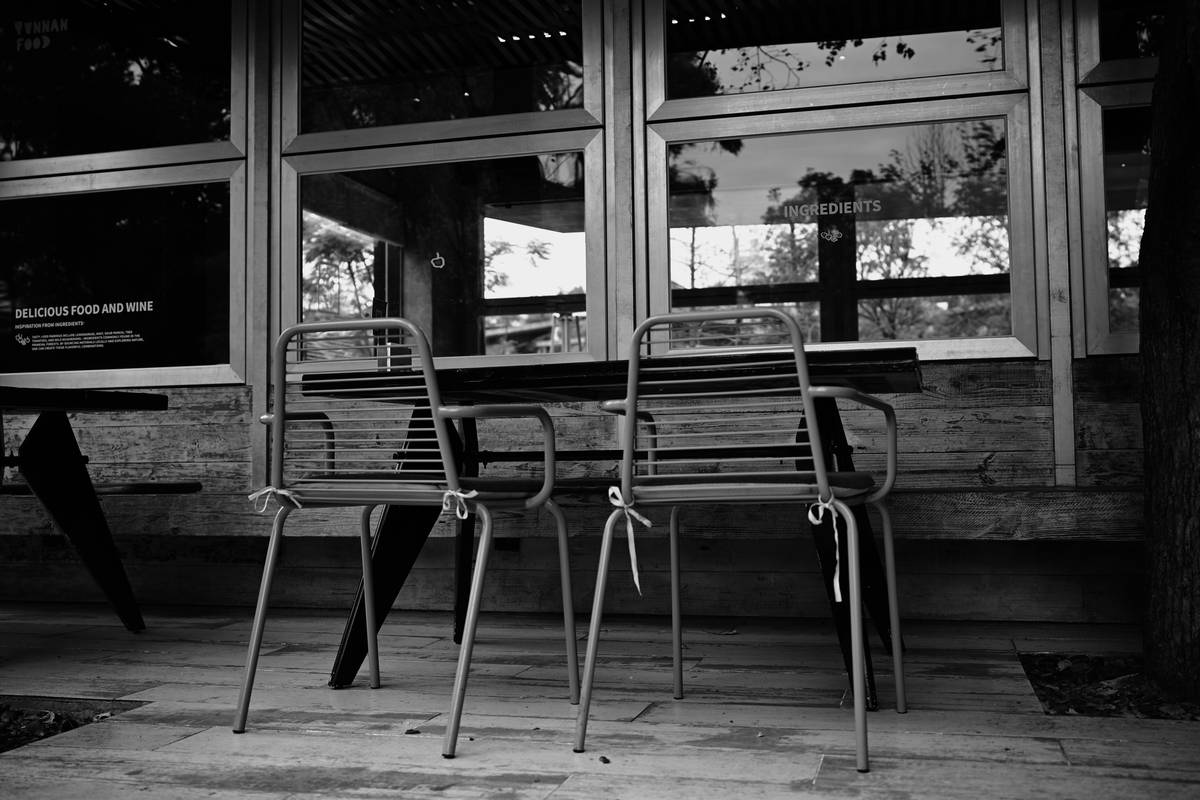
Ever bought a stunning set of garden chairs only to watch them warp, fade, or rust after one summer? You’re not alone. Many homeowners invest in outdoor furniture with dreams of lazy Sundays and al fresco dinners—only to end up with cracked plastic, splintered wood, or metal that’s corroded beyond repair. If you’re serious about upgrading your backyard without wasting money, this guide cuts through the noise. We’ll walk you through smart selection, maintenance, and placement strategies so your gardens furniture outdoor furniture lasts seasons, not just summers.
Table of Contents
- Why Choosing the Wrong Garden Chairs Wastes Money and Joy
- Step-by-Step Guide to Buying Durable Outdoor Seating
- 5 Best Practices Most Homeowners Ignore
- Real Backyard Transformations That Lasted Years
- Frequently Asked Questions
Key Takeaways
- Prioritize material durability over looks—teak, aluminum, and HDPE wicker outperform cheap resin or untreated wood.
- Always check UV resistance ratings; sunlight degrades most plastics within 18 months (according to the U.S. Department of Energy).
- Measure your space before buying—oversized sets crowd patios and impede airflow, accelerating moisture damage.
- Store or cover furniture during off-seasons; even “weatherproof” pieces degrade faster when exposed year-round.
- Avoid the “clearance trap”—deep discounts often signal discontinued lines with no replacement parts.
Why Choosing the Wrong Garden Chairs Wastes Money and Joy
I learned this the hard way. A few years ago, I splurged on a sleek set of gray resin chairs because they “looked modern.” By August, they’d faded to chalky beige. By October, one leg snapped when my nephew leaned back too far. Total loss: $320 and a ruined birthday BBQ. That mistake taught me outdoor furniture isn’t just decor—it’s an investment in usability, comfort, and long-term value.
The right gardens furniture outdoor furniture balances aesthetics with resilience. Unlike indoor pieces, outdoor seating battles UV rays, rain, humidity, temperature swings, and even pests. According to a 2023 study by the American Society of Interior Designers, 68% of homeowners replace outdoor furniture within three years due to avoidable material failure—not style fatigue.
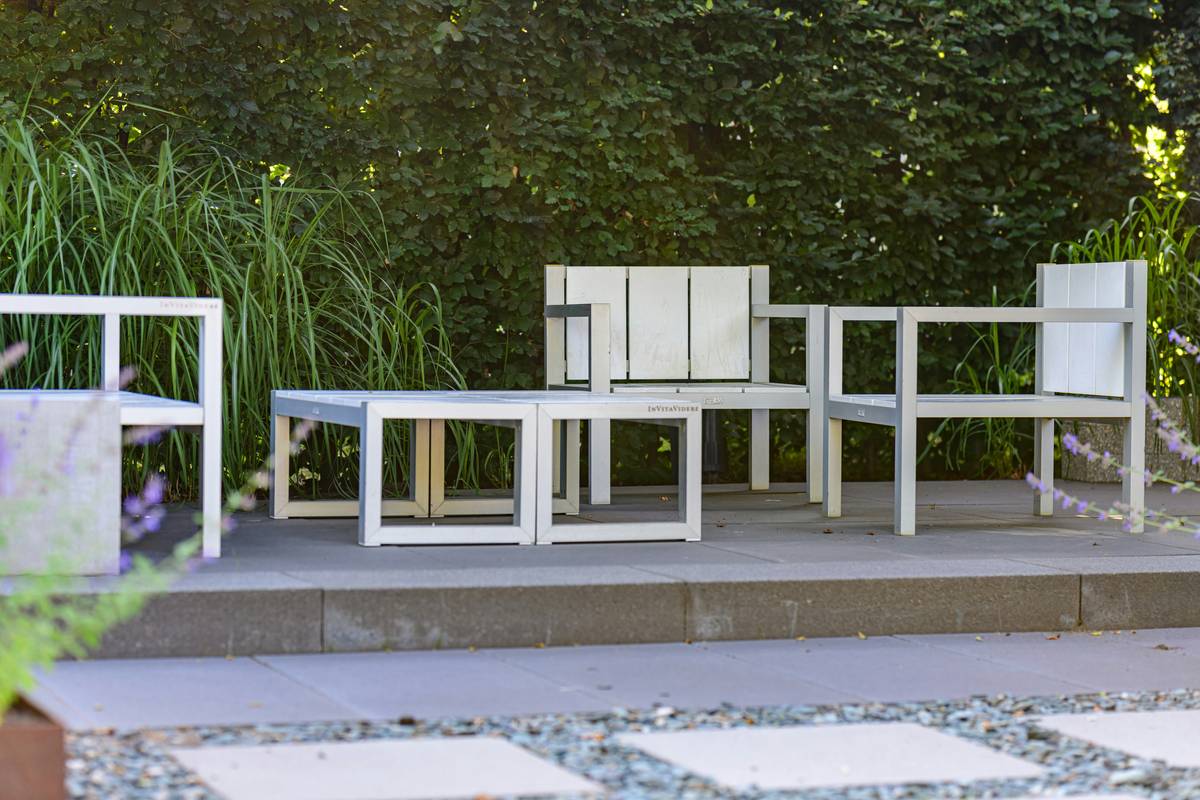
Step-by-Step Guide to Buying Durable Outdoor Seating
1. Assess Your Climate First
If you live in a humid coastal area like Montebello, CA, avoid wrought iron—it rusts fast without constant maintenance. Opt for powder-coated aluminum or marine-grade polymer instead. In dry, sunny regions, prioritize UV-stabilized materials. Check product specs for “UV-inhibitor” or “fade-resistant” labels.
2. Measure Twice, Buy Once
Sketch your patio or deck and note fixed elements (grills, planters, doors). Leave at least 24 inches of clearance around chairs for movement. Overcrowding traps moisture and invites mold.
3. Test Comfort In Person
Sit in chairs for at least 90 seconds. Does the seat slope uncomfortably? Are armrests too high? Many online-only brands skip ergonomic testing—a major red flag.
4. Verify Warranty Terms
A solid warranty covers frame integrity for 5+ years and fabric for 2–3. At Proloco Montebello, we vet suppliers who stand behind their craftsmanship, not just push inventory.
5 Best Practices Most Homeowners Ignore
- Clean monthly: Use mild soap and water—never pressure wash, which forces moisture into wood grain.
- Rotate pieces seasonally: Move chairs around to ensure even sun exposure and prevent one side from deteriorating faster.
- Use breathable covers: Non-porous tarps trap condensation, encouraging mildew. Look for vented, polyester covers.
- Never skip assembly torque specs: Over-tightening bolts on aluminum frames causes micro-fractures.
- Avoid this terrible tip: “Just hose it down and leave it out.” Water pooling in joints accelerates corrosion—always tilt chairs to drain after rain.
Real Backyard Transformations That Lasted Years
Last spring, a client in Pasadena replaced flimsy plastic loungers with a set of FSC-certified teak armchairs and matching side tables. Two years later, they still look showroom-fresh—thanks to quarterly oiling and winter storage under a pergola cover. Their secret? They prioritized gardens furniture outdoor furniture designed for Southern California’s intense sun, not generic big-box options.
Another example: A local café in Montebello switched from cheap metal bistro sets to recycled HDPE (high-density polyethylene) chairs. After 18 months of daily use—and zero maintenance—they reported zero replacements. HDPE resists cracking, doesn’t absorb moisture, and comes in fade-resistant colors. It’s why we recommend it for high-traffic residential spaces too.
Frequently Asked Questions
What’s the most durable material for garden chairs?
Teak wood and powder-coated aluminum top durability charts. Teak contains natural oils that repel insects and moisture, while aluminum won’t rust and weighs less than steel. For low-maintenance options, HDPE wicker mimics rattan but withstands rain and UV rays far better.
How often should I replace outdoor furniture?
Quality gardens furniture outdoor furniture should last 7–10 years with proper care. If you’re replacing pieces every 2–3 years, you’re likely buying based on price, not performance.
Can I leave outdoor furniture out all winter?
Technically yes—if it’s rated for four-season use. But even then, covering it or storing cushions indoors extends lifespan. Check manufacturer guidelines; many void warranties if items aren’t stored during freezing temps.
Are cheaper garden chairs ever worth it?
Only for temporary setups (e.g., a one-summer rental). Long-term, you’ll spend more replacing them. Invest once in quality pieces from trusted suppliers—like those we source at Proloco Montebello.
Do I need to treat wooden outdoor chairs?
Yes. Untreated wood swells, cracks, and grays rapidly. Apply teak oil or a penetrating sealer every 6–12 months. Skip film-forming varnishes—they peel and trap moisture underneath.
How do I choose eco-friendly outdoor furniture?
Look for FSC-certified wood, recycled aluminum, or HDPE made from post-consumer plastic. Avoid PVC-based “resin wicker,” which releases toxins when degraded. The U.S. EPA provides guidance on sustainable materials for outdoor products.
Your backyard deserves furniture that works as hard as you do—without demanding constant babysitting. With the right choices, your gardens furniture outdoor furniture becomes a legacy of comfort, not a revolving door of replacements. Ready to build a space that lasts? Contact us today for a personalized consultation. And remember: great design doesn’t shout—it sits quietly, ages gracefully, and hosts memories effortlessly.