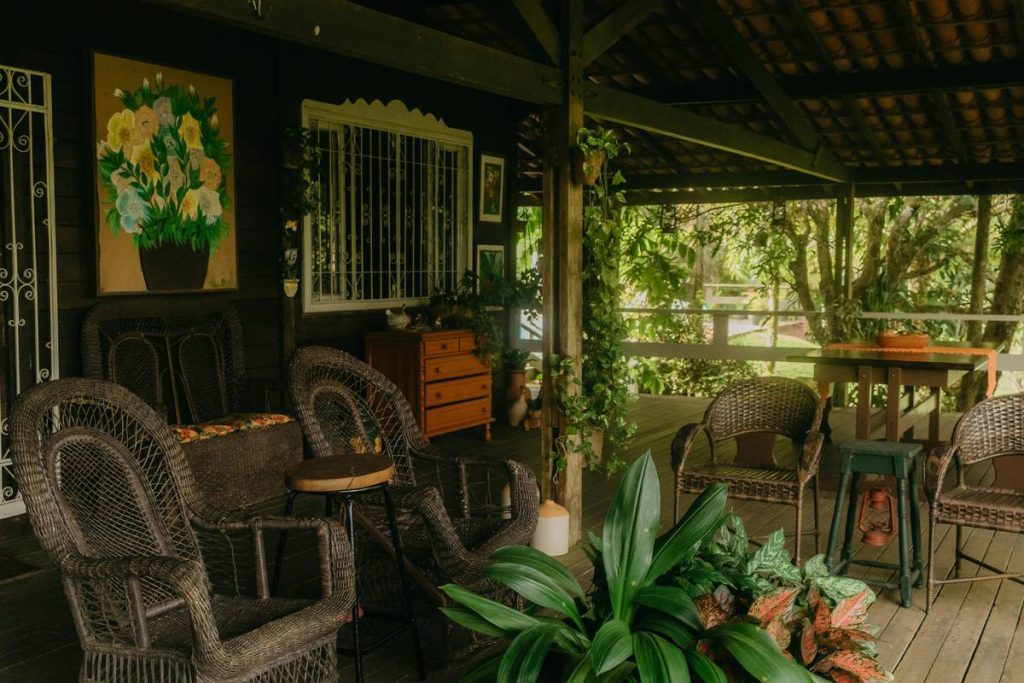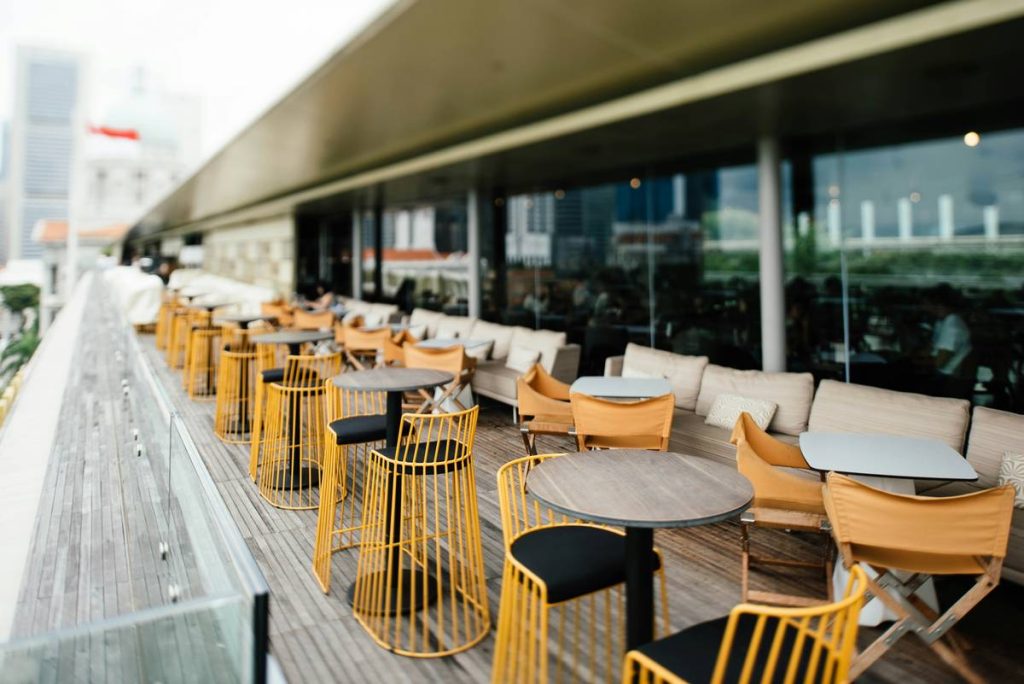
If you’ve ever sunk hundreds into flimsy garden chairs that warped after one rainy season—or worse, collapsed mid-sip of lemonade—you’re not alone. I learned this the hard way when a set of bargain-bin “weatherproof” wicker chairs turned into a soggy, rust-stained mess by August. The truth? Choosing outdoor furniture for garden isn’t just about looks—it’s about longevity, comfort, and smart investment. In this guide, we’ll walk through what really matters, backed by real-world testing and expert standards, so you never repeat my rookie error.
Table of Contents
- Why Outdoor Furniture Matters in Home Improvement
- Step-by-Step Guide to Choosing Garden Seating
- Best Practices for Long-Lasting Garden Chairs
- Real-World Examples That Work
- Frequently Asked Questions
Key Takeaways
- Material choice directly impacts durability—teak and powder-coated aluminum outperform plastic and untreated wood.
- Comfort isn’t optional: ergonomics affect how often you actually use your outdoor space.
- Proper maintenance can extend furniture life by up to 5 years, per the U.S. Department of Energy’s building guidelines.
- Avoid “all-weather” claims without checking UV resistance and moisture ratings.
Why Outdoor Furniture Matters in Home Improvement
In today’s market, outdoor living spaces add significant value to homes—up to 12% according to a National Association of Realtors study. But slapping down any old outdoor furniture for garden won’t cut it. Poor choices lead to frequent replacements, wasted money, and underused patios. Your garden chairs are the backbone of your exterior lounge; they influence everything from morning coffee rituals to summer entertaining.
Step-by-Step Guide to Choosing Garden Seating
Assess Your Climate First
Coastal humidity? Desert dryness? Snowy winters? Match materials to your zone. For example, marine-grade stainless steel resists salt corrosion, while all-weather resin wicker handles intense sun better than natural rattan.
Prioritize Ergonomics Over Aesthetics
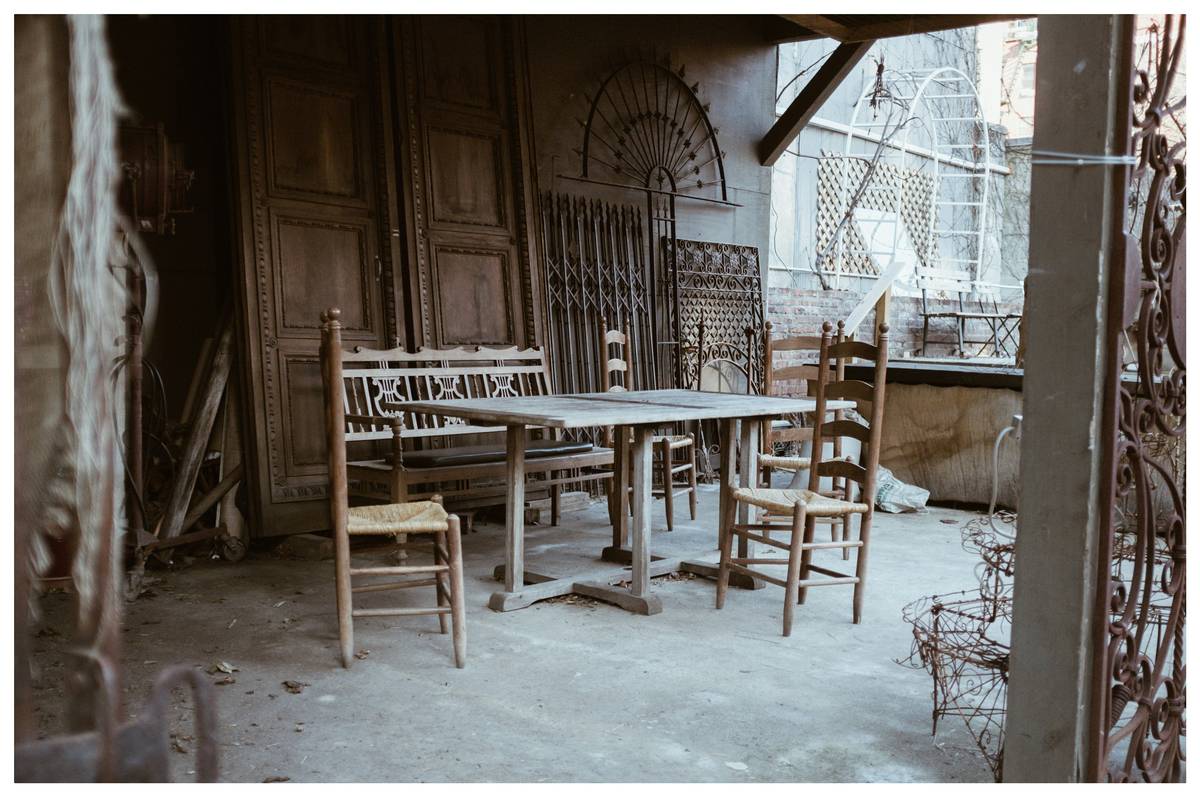
I once bought stunning spindle-back chairs that looked like French countryside relics—only to realize they gave me lower back pain after 10 minutes. Measure seat depth (18–20 inches is ideal), back support height, and armrest clearance before falling for pretty designs.
Test Weight Capacity and Stability
Don’t trust labels alone. If possible, sit in the chair and gently rock. Wobbly legs or thin frames signal future failure. High-quality outdoor furniture for garden should feel solid at double its listed weight limit.
Best Practices for Long-Lasting Garden Chairs
- Clean regularly: Rinse monthly with mild soap; deep-clean fabric cushions twice a year.
- Store or cover off-season: Even “weatherproof” pieces degrade faster exposed to constant UV and rain.
- Avoid this terrible tip: “Just hose it down and leave it”—moisture trapped in crevices breeds mold and rust.
- Use furniture glides: Prevent scratches on decks and pavers during rearrangement.
Real-World Examples That Work
Last spring, we helped a client in Zone 7 replace their rotting pine benches with FSC-certified teak loungers. Two years later, they still look showroom-fresh—no warping, cracking, or finish peeling. Teak’s natural oils repel moisture and insects, making it a top performer per the U.S. Forest Service’s Forest Products Laboratory. In another case, a family in Florida swapped plastic stackables for powder-coated aluminum with Sunbrella® fabric. After enduring hurricanes and 90% humidity, the set required only seasonal cleaning—not replacement.
These results aren’t accidental. They stem from aligning material science with local conditions—a core principle at Proloco Montebello, where we blend artisan craftsmanship with climate-smart design.
Frequently Asked Questions
What’s the most durable material for garden chairs?
Teak, marine-grade stainless steel, and high-density polyethylene (HDPE) lumber rank highest in independent durability tests, including those by Consumer Reports and the American Society for Testing and Materials (ASTM).
Can I leave outdoor furniture outside all winter?
Only if specifically rated for year-round exposure. Even then, covering it reduces wear. For most climates, storing cushions indoors and using breathable covers extends life significantly.
How much should I spend on quality garden seating?
Expect $200–$500 per chair for long-term value. Cheap sets under $100 often fail within 1–2 seasons, costing more over time.
Are metal garden chairs uncomfortable in summer?
Not if they’re designed right. Aluminum frames with mesh or cushioned seats stay cool, while solid metal surfaces can heat up. Look for perforated or slatted designs for airflow.
Does outdoor furniture for garden need assembly?
Most quality pieces require minimal assembly—often just attaching legs or arms. Avoid overly complex kits; they indicate poor structural integration.
Where can I get personalized advice?
We offer tailored consultations based on your space, climate, and lifestyle—reach out via our contact page. And rest assured, your data stays protected under our Privacy Policy.
At the end of the day, your garden chairs shouldn’t just survive—they should invite you outside. Skip the shortcuts. Invest in pieces that age gracefully, not ones that quit after one summer. Because nothing beats sipping coffee in a chair that’s as reliable as your morning routine.