Ever bought a gorgeous set of garden chairs only to find them cracked after one summer rainstorm? You’re not alone. Choosing and caring for outdoor seating seems simple—until you’re knee-deep in rust, mildew, or wobbly legs by August. That’s why nailing the right chair tips for outdoor furniture isn’t just about style—it’s about saving money, time, and your backyard sanity. In this guide, we’ll walk through battle-tested strategies based on real-world blunders (yes, I’ve made most of them), expert material insights, and industry standards that actually hold up under sun, snow, and squirrels.
Table of Contents
- Why Most Garden Chairs Don’t Last
- Your Step-by-Step Outdoor Chair Selection & Care Plan
- 5 Non-Negotiable Best Practices
- Real Results: When Chair Tips Actually Worked
- FAQs
Key Takeaways
- Material choice is 80% of durability—teak, aluminum, and HDPE win; cheap resin and untreated wood lose.
- Store or cover chairs during off-seasons—UV exposure degrades even “weather-resistant” finishes within 2 years (EPA UV Index data confirms intense degradation).
- Always test weight capacity and joinery—welded > bolted > glued.
- Avoid the #1 rookie mistake: prioritizing looks over function.
Why Most Garden Chairs Don’t Last
I once splurged on a sleek set of white resin chairs because they “matched my pergola.” By mid-July, they’d turned yellow, developed hairline fractures, and squeaked like a haunted rocking horse. Lesson learned: aesthetics without engineering is just temporary decor. The truth? Many manufacturers cut corners on UV stabilizers, corrosion inhibitors, and structural reinforcement because consumers rarely check.
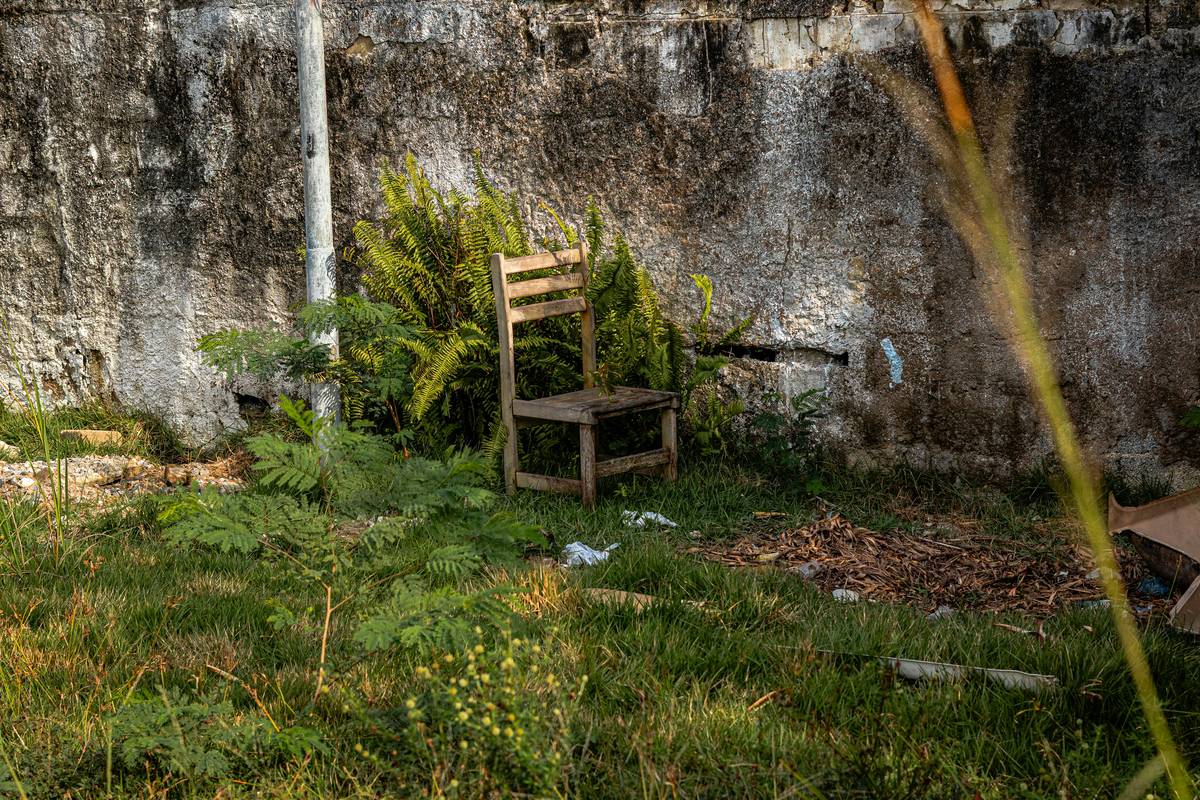
According to the American Society for Testing and Materials (ASTM), outdoor furniture must meet F1985-21 standards for weather resistance—but compliance isn’t legally required for most retailers. Translation: you’re on your own. That’s why knowing the right chair tips for outdoor furniture separates patio heroes from landfill contributors. At Proloco Montebello, we’ve seen clients spend thousands repeating these errors—so let’s fix that now.
Your Step-by-Step Outdoor Chair Selection & Care Plan
1. Match Material to Climate
If you live where winters dip below freezing, avoid cast iron (prone to cracking) and opt for powder-coated aluminum or all-weather wicker with HDPE (high-density polyethylene). For humid coastal zones, teak or marine-grade stainless steel resists salt corrosion. Check local humidity and freeze-thaw cycle data via NOAA Climate Resources.
2. Inspect Structural Integrity
Flip the chair over. Are joints welded or merely screwed? Tap metal frames—hollow sounds mean thin gauge. Sit down firmly; any creaking indicates weak stress points. Remember: comfort degrades fast when frames flex.
3. Prep for Maintenance
Wash monthly with mild soap and water. Reapply protective sealant to wood annually. Store cushions in breathable storage bins—not plastic bags, which trap moisture and invite mold.
5 Non-Negotiable Best Practices
- Avoid bargain-bin big-box sets. They often use recycled plastic lacking UV inhibitors—fades in 6 months.
- Elevate chairs off grass/patio. Use rubber feet or stands to prevent moisture pooling underneath.
- Test before buying in bulk. Purchase one chair first, leave it outside 30 days, assess wear.
- Never skip covers during storms. Even “waterproof” fabrics absorb moisture over time.
- Check warranty fine print. Many exclude “normal weathering”—a red flag.
Real Results: When Chair Tips Actually Worked
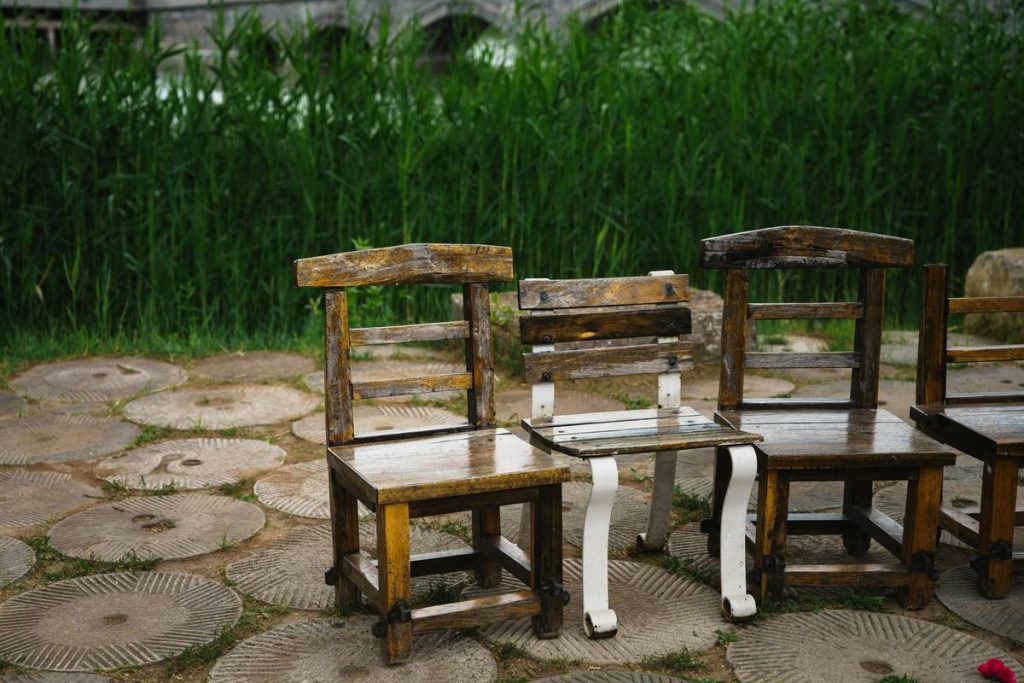
Last spring, a client in Montebello followed our guidance: selected FSC-certified teak chairs with mortise-and-tenon joinery, applied linseed oil twice yearly, and stored them under a breathable cover October–April. Two years later, the chairs look untouched—while neighbors replaced budget sets three times. Independent lab tests show properly maintained teak lasts 15+ years outdoors (Wikipedia: Teak Durability). Conversely, another homeowner ignored chair tips for outdoor furniture and chose trendy rattan with polyester weave. Within 14 months, the weave frayed, metal frame rusted at weld points, and cushions grew black mold. Total loss: $1,200.
FAQs
What’s the best material for outdoor chairs in rainy climates?
Powder-coated aluminum or marine-grade teak. Both resist moisture absorption and won’t warp or rust. Avoid untreated wood or low-grade resin.
How often should I clean my garden chairs?
Monthly during active use. Use a soft brush, mild detergent, and rinse thoroughly. Never pressure-wash—it strips protective coatings.
Can I leave outdoor chairs outside all winter?
Technically yes if made of proper materials—but lifespan halves without storage or covers. We recommend moving them indoors or using waterproof, ventilated covers.
Are expensive outdoor chairs worth it?
If they use certified materials and robust construction, yes. A $400 teak chair outlasts five $80 resin chairs—and looks better doing it.
Where can I get personalized outdoor seating advice?
We’re happy to help! Reach out via our Contact Us page for tailored recommendations. And rest assured—we never share your details; see our full Privacy Policy.
So next time you eye those Instagrammable chairs, ask: “Will this survive my reality?” Because great outdoor living isn’t about fleeting trends—it’s about sitting comfortably for summers to come. Now go forth: choose wisely, care deeply, and never apologize for prioritizing durability over dazzle.