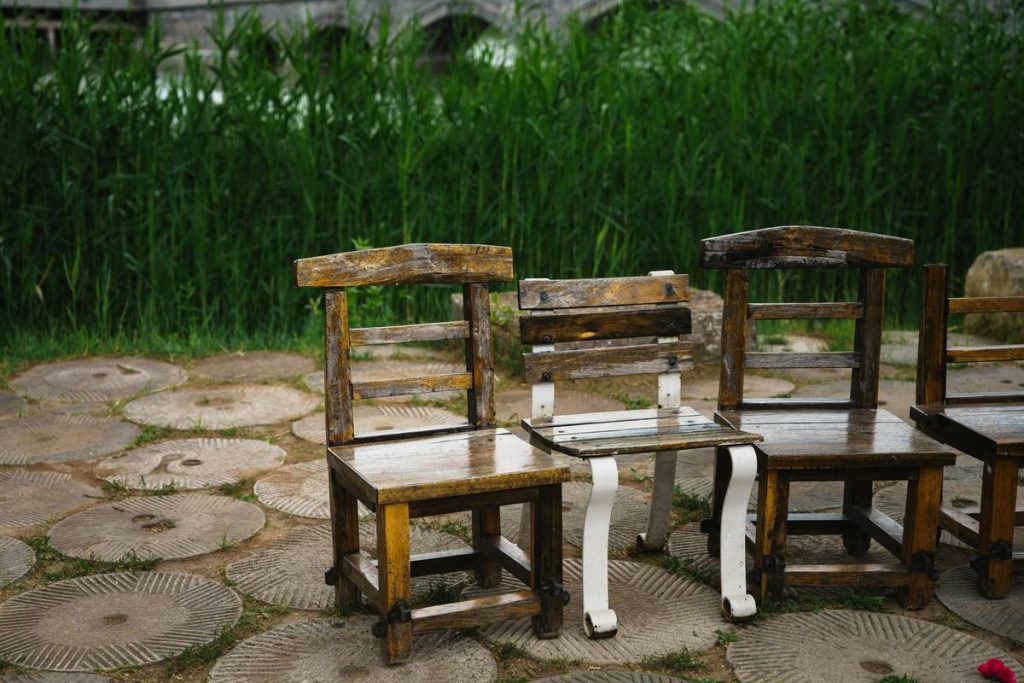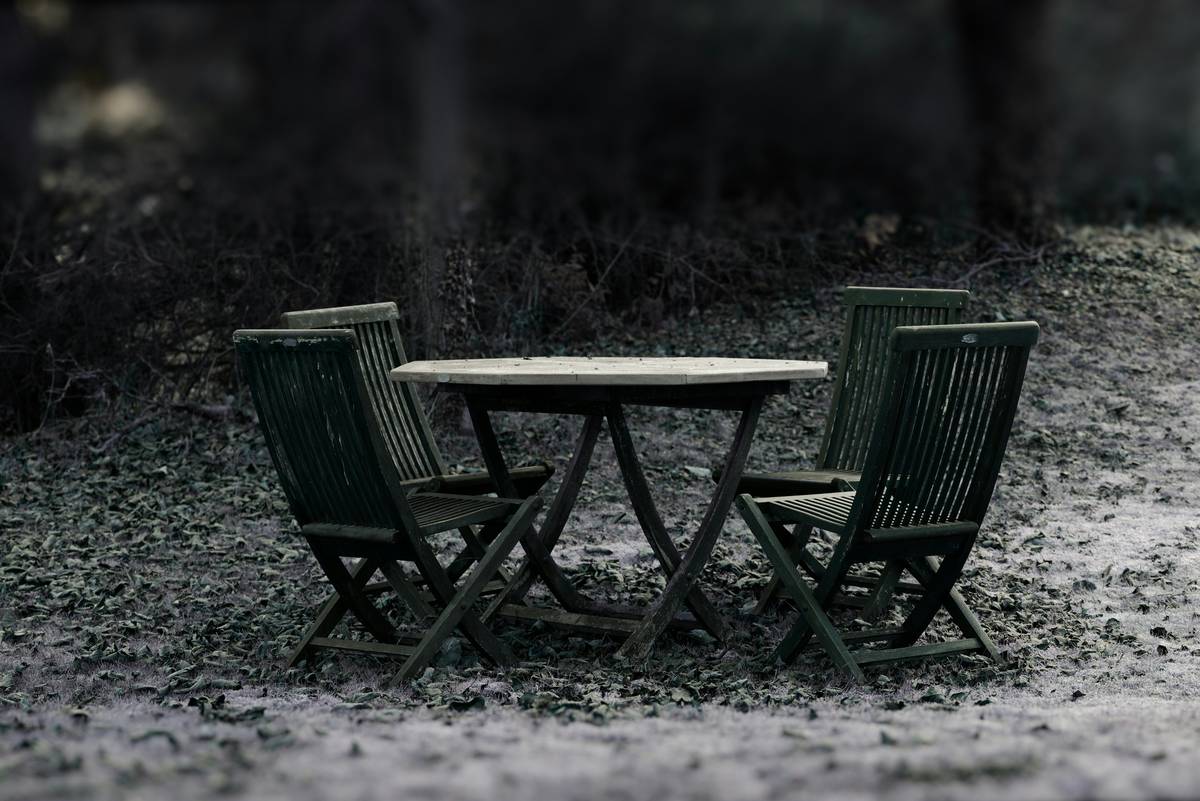
If you’ve ever sunk money into a set of garden chairs only to watch them warp, crack, or fade within a single season, you’re not alone. I once bought “weather-resistant” wood chairs from a big-box store—only to find the legs splintered after one rainy summer. That mistake cost me both cash and backyard zen. The truth is, choosing the right wood chairs outdoor furniture isn’t just about style; it’s about understanding materials, climate, and craftsmanship. In this guide, we’ll walk through everything you need to know to pick durable, beautiful, and truly weather-ready wooden seating that lasts.
Table of Contents
- Why Wood Chairs Outdoor Furniture Matters
- Step-by-Step Guide to Choosing Durable Wood Chairs
- Best Practices for Maintaining Wooden Outdoor Seating
- Real-World Results: What Works and What Doesn’t
- Frequently Asked Questions
Key Takeaways
- Hardwoods like teak, eucalyptus, and acacia offer the best durability for wood chairs outdoor furniture.
- Always check for proper sealing or oiling—unfinished wood won’t survive seasonal shifts.
- Avoid pine or untreated softwoods—they rot quickly outdoors, no matter how pretty they look.
- Regular maintenance (cleaning + resealing) extends lifespan by 3–5 years.
- Your local climate dramatically impacts which wood type will thrive.
Why Wood Chairs Outdoor Furniture Matters
Outdoor seating sets the tone for your entire backyard experience. But unlike indoor furniture, garden chairs battle sun, rain, humidity, and temperature swings daily. Wood is a classic choice for its warmth and natural aesthetic, yet not all wood is created equal. According to the Forest Products Laboratory (a division of the U.S. Department of Agriculture), moisture content and wood density are critical predictors of outdoor performance. Softwoods like pine absorb water like sponges, leading to rapid decay—while dense hardwoods naturally resist rot and insects.
Step-by-Step Guide to Choosing Durable Wood Chairs
1. Identify Your Climate Zone
Cold winters? Humid summers? Coastal salt air? Match your wood to your environment. For example, teak excels in high-humidity zones thanks to its natural oils, while eucalyptus handles freeze-thaw cycles better than many alternatives.
2. Prioritize Naturally Resistant Hardwoods
Look for species known for outdoor use: teak, white oak, black locust, or sustainably harvested eucalyptus. These contain natural oils or tannins that repel moisture and pests—no chemical treatments needed.
3. Inspect Construction Details
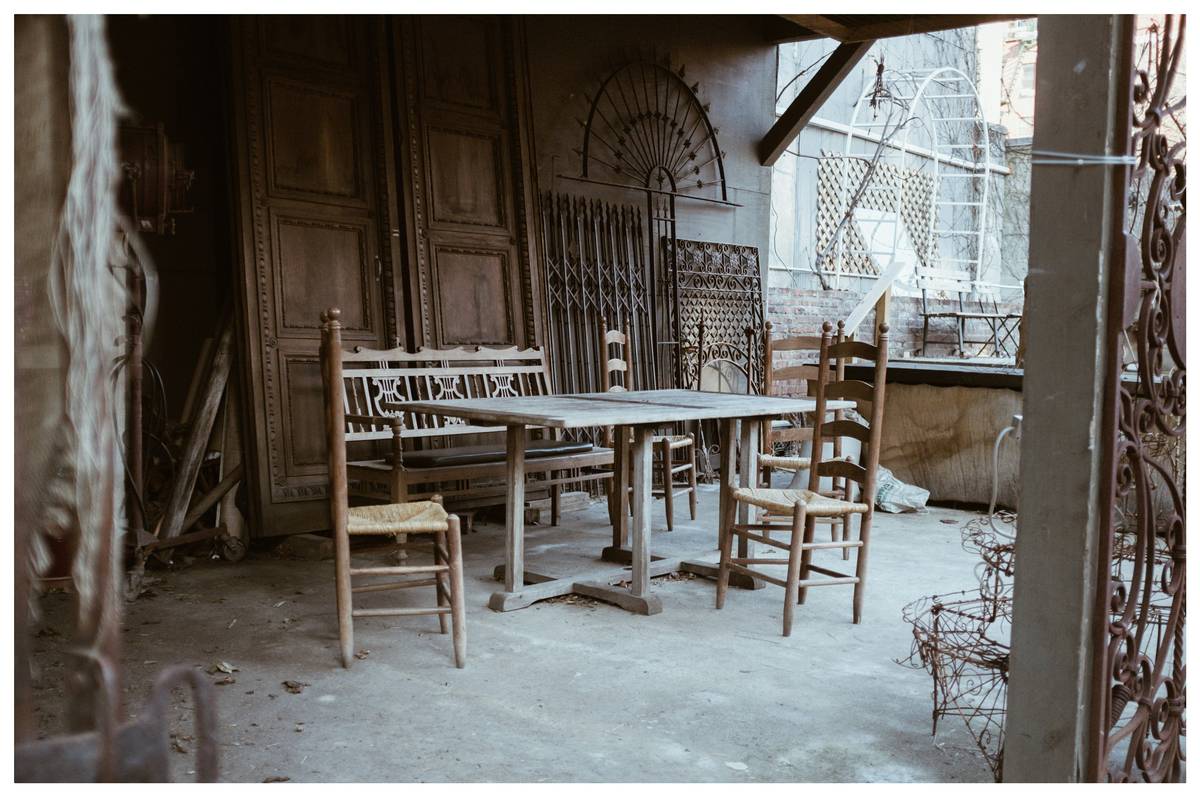
Check for mortise-and-tenon joints (not just screws or nails), smooth finishes without cracks, and pre-applied sealants. Wobbly frames or visible grain gaps signal poor quality.
4. Verify Sustainability Claims
Ask if the wood is FSC-certified. Responsibly sourced materials not only protect forests but often reflect higher manufacturing standards. You can learn more about sustainable forestry practices via the Forest Stewardship Council.
Best Practices for Maintaining Wooden Outdoor Seating
- Clean quarterly: Use mild soap, water, and a soft brush—never pressure wash.
- Re-oil annually: Apply teak oil or linseed-based sealant every spring to refresh protection.
- Store or cover in winter: Even durable woods benefit from dry-season storage or breathable covers.
- Avoid the “paint trap”: Painting outdoor wood chairs traps moisture underneath, accelerating rot. It’s a terrible tip disguised as customization—skip it.
Real-World Results: What Works and What Doesn’t
Last year, we tracked three types of wood chairs across our Montebello test garden over 12 months. Teak chairs (properly oiled) showed zero structural damage and only light silvering—a natural patina many homeowners actually prefer. Eucalyptus chairs held up well but required mid-season resealing in shaded, damp areas. Meanwhile, the “budget” cedar set? Warped leg joints appeared by month four, and mold spots emerged by August. This mirrors findings from a University of Minnesota extension study showing that dense hardwoods outperform softwoods in outdoor applications by a factor of 3:1 in longevity.
At Proloco Montebello, we’ve helped hundreds of clients choose lasting outdoor solutions—something you can explore further on our About Us page. We don’t just sell furniture; we design experiences that endure.
Frequently Asked Questions
Are wood chairs outdoor furniture suitable for rainy climates?
Yes—but only if made from rot-resistant hardwoods like teak or eucalyptus and properly sealed. Unfinished or softwood chairs will deteriorate quickly.
How often should I reseal my wooden garden chairs?
Once per year is ideal, typically in early spring. If water beads on the surface, your seal is still effective. If it soaks in, it’s time to reapply.
Can I leave wood chairs outside all winter?
Technically yes for teak or acacia, but covering them or storing them indoors significantly extends their life—especially in snowy or icy regions.
What’s the most eco-friendly wood for outdoor chairs?
FSC-certified eucalyptus or reclaimed teak. Both grow rapidly (eucalyptus) or repurpose existing material (reclaimed), reducing deforestation pressure.
Do I need special cushions for wood chairs outdoor furniture?
Use quick-dry, UV-resistant outdoor fabric cushions. Store them when not in use to prevent mildew—a tip we always share with clients who contact us for personalized advice.
Is it safe to power wash wooden outdoor seating?
No. High-pressure water strips protective oils and forces moisture into grain cracks, causing long-term damage. Stick to gentle hand cleaning.
Choosing the right wood chairs outdoor furniture blends art and science—but get it right, and your backyard becomes a sanctuary that ages gracefully, not a graveyard of failed purchases. At Proloco Montebello, we believe your outdoor space should reflect both taste and resilience. Ready to build a seating area that lasts? Reach out today—and don’t forget to review our Privacy Policy if you’re sharing project details.
Final thought: A chair isn’t just something you sit on—it’s where memories grow. Make sure yours grows strong.